Extended Delays for Air Conditioning in Western Australian Schools
A recently unveiled timeline has exposed that numerous schools across Western Australia could be waiting for up to two additional years before receiving air conditioning installations. This revelation has sparked significant concern among educators, parents, and policymakers regarding the impact on student well-being and academic performance during extreme weather conditions.
Details of the Timeline and Affected Schools
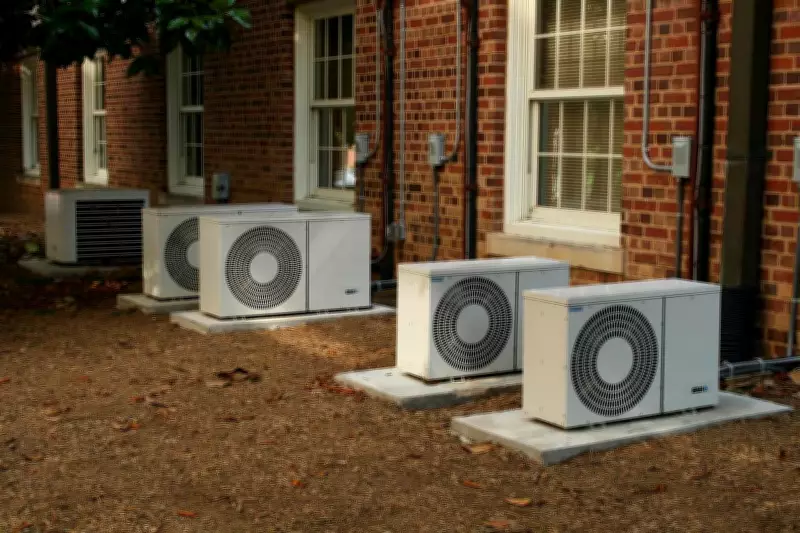
The timeline, which outlines the phased rollout of air conditioning units, indicates that some educational institutions might not see completion until 2026. This delay affects a list of schools identified as high-priority due to their locations in regions prone to intense heatwaves. The extended wait period is attributed to logistical challenges, including supply chain issues and funding allocations, which have slowed the implementation process.
Concerns Over Student Health and Learning

Experts warn that prolonged exposure to high temperatures without adequate cooling can lead to health risks such as heat exhaustion and dehydration among students. Moreover, studies have shown that uncomfortable classroom environments can hinder concentration and reduce overall educational outcomes. Parents and community groups are calling for accelerated action to address these delays, emphasizing the urgency of creating safe and conducive learning spaces.
Government Response and Future Plans
In response to the timeline disclosure, state officials have acknowledged the delays but reaffirmed their commitment to completing the air conditioning projects. They cite ongoing efforts to streamline procurement and installation processes, with plans to increase funding in upcoming budgets. However, critics argue that more immediate measures are needed, such as temporary cooling solutions or expedited timelines for the most vulnerable schools.
Broader Implications for Education Policy
This situation highlights broader issues in education infrastructure and policy, particularly in how resources are allocated to address climate-related challenges. As temperatures continue to rise due to climate change, the demand for effective cooling systems in schools is expected to grow, necessitating long-term planning and investment. Stakeholders are urging for a comprehensive review of current strategies to ensure timely and equitable access to essential amenities across all educational institutions.
In summary, the revealed timeline underscores a critical gap in school infrastructure in Western Australia, with potential two-year waits for air conditioning posing risks to student health and learning. Ongoing discussions and policy adjustments will be crucial in mitigating these delays and safeguarding educational environments for the future.