Learner drivers in Western Australia will soon need to complete 80 hours of supervised training and spend an additional year on provisional plates under a major overhaul of the state's road laws announced by the Cook Government.
Key changes to the graduated licensing system
The minimum learner period will increase from six to 12 months, while the required supervised training hours rise from 50 to 80, including 10 hours of night driving. The provisional (P-plate) period will also be extended from two to three years.
These changes, set to be implemented by the end of next year, aim to give new drivers more experience before they drive unsupervised. Additionally, it will become illegal for supervising drivers to have any alcohol in their system while teaching, tightening the previous limit of 0.05% blood alcohol concentration.
Mobile phone restrictions
Learner and P-plate drivers will only be able to receive or make calls through an in-car system, meaning they cannot touch their phones at all, even if mounted. An online theory and hazard perception test is also being developed to complement the in-centre assessment.
Public consultation and support
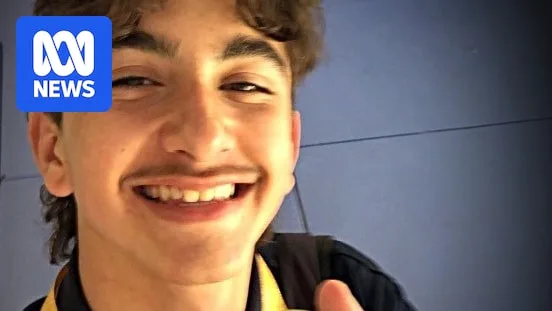
The reforms follow a public consultation period that attracted 7,700 responses, along with discussions with driver industry and road safety stakeholders. The changes have been welcomed by Samantha Saffioti, whose 15-year-old son Tom died in a 2021 crash when the car he was a passenger in hit a tree.
"Our family live with the pain of losing Tom every single day and if these changes help spare even one family from this kind of heartbreak, then they are the right steps forward," Ms Saffioti said.
Since 2021, 83 young West Australians aged 17-25 have died in car crashes, and 28 in motorcycle fatalities.
Ministerial statements
Road Safety Minister Reece Whitby said the new graduated licensing system was a "key step in reducing risk for young and inexperienced drivers." Minister assisting the Transport Minister Jessica Stojkovski said the overhaul would give "new drivers the time, experience and skills they need to stay safe on our roads."
"We've listened to the community and safety is at the heart of these reforms that will lift the standard of driver training and better protect our young and new drivers before they are on the road on their own," she said.
Motorcycle licensing reforms proposed
The government has also flagged changes to motorcycle licensing, with public consultation opening from May 3 to May 24. Proposed reforms include raising the minimum age for a learner motorcycle licence from 16 to 18 years, increasing the provisional period from two to three years, and introducing pillion passenger restrictions for learner, P1 and P2 riders.
Other proposals include late-night riding restrictions during the learner phase, mandatory pre-learner and pre-provisional training and assessment, and restricting mobile phone use to in-built navigation and audio systems.