WA Labor Continues to Defy Political Gravity Amid Third Term
It is a widely accepted political axiom that the longer a government remains in power, the more difficult it becomes to retain office. Governments can exhaust their policy ideas, see talent drain as members retire, or face internal strife from impatient backbenchers and factional conflicts. The potent "It's Time" sentiment, famously leveraged by Federal Labor in 1972, often accelerates this decline.
Yet, Western Australia's Labor Government, now one year into its third consecutive term, appears to be an exception to this rule. Current polling indicates that if an election were held today, Labor would comfortably secure another victory, maintaining a substantial lead over its political rivals.
Financial Fortitude Fuels Flexibility
A primary factor underpinning Labor's resilience is the state's robust financial position. The Cook Government is benefiting immensely from billions of dollars in iron ore and gold royalties, coupled with annual GST distributions that have totaled $43 billion since 2019. In the first half of the current financial year alone, Labor has recorded an operating surplus of $2.3 billion, positioning the state for its eighth consecutive surplus since first winning office in 2017.

This financial windfall, largely driven by a booming resources sector, provides the government with significant flexibility to address pressing areas of need swiftly. However, this advantage has not shielded Labor from all criticisms.
Persistent Pressure Points: Health and Housing
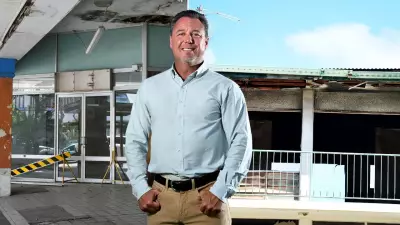
Health remains a critical trouble spot for the administration. Media exposés have highlighted an appalling lack of maintenance at Perth's public hospitals, offering the State Opposition strong ammunition to attack Labor's health record. Ambulance ramping continues to be a constant pressure point, with 4,892 hours of ambulance limbo outside hospital emergency departments last month marking the worst February on record.
Housing presents another major headache. Keeping pace with WA's rapidly growing population through sufficient home construction is a daunting challenge. Labor is particularly vulnerable on public housing, with over 23,000 individuals currently on the waiting list.
Additionally, contentious pet projects, such as the racetrack and sport precinct at Burswood and a proposed ferry terminal on the Swan River at Matilda Bay, are generating public controversy and political waves.
Opposition Efforts and Leadership Dynamics
For its part, the Opposition under Liberal leader Basil Zempilas has been working diligently and has made some inroads. Nevertheless, Labor's position remains so secure that the prospect of winning the next two elections does not seem implausible.
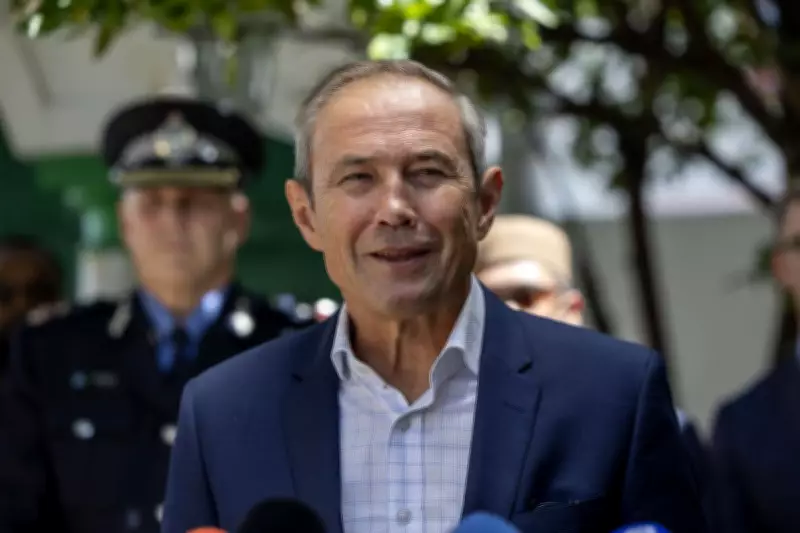
Premier Roger Cook appears firmly entrenched and has publicly declared his intention to lead Labor into the 2029 election. This declaration shifts the spotlight onto the leadership ambitions of key figures such as Treasurer Rita Saffioti and Energy Minister Amber Jade-Sanderson. The political landscape will reveal how long these ministers are willing to wait in the wings and whether Premier Cook will eventually run out of steam.
Cook must also adeptly manage the expectations and ambitions of his extensive backbench. Despite these internal and external pressures, there is currently no compelling evidence to suggest that WA Labor is on the verge of succumbing to the typical third-term blues that often plague long-serving governments.