A devastating backlog in Western Australia's Coroner's Court is forcing grieving families to wait years for answers, with delays that experts warn are preventing life-saving changes to public health and safety.
The Heartbreaking Case of Baby Asher
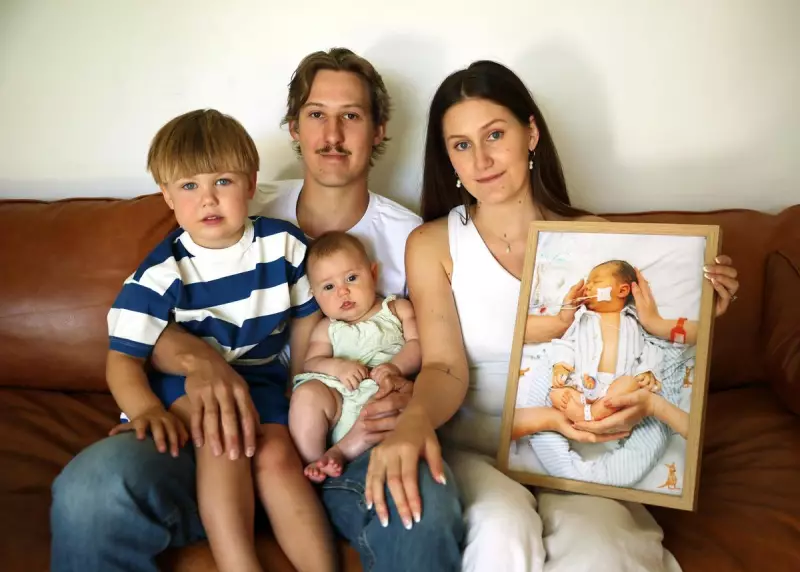
The crisis is tragically illustrated by the case of Baby Asher, who died just 19 hours after his birth at King Edward Memorial Hospital in Subiaco in July 2021. His parents, Carley and Ben, have been waiting for over two and a half years for the inquest into his death to begin, with hearings only recently scheduled for July 2024.
Carley described the agonising wait as "soul-destroying," stating that the family's life has been on hold. "We can't move forward, we can't get answers, we can't get closure," she said. The delay means potential risks identified in Asher's case have remained unaddressed for years, a period during which other infants may have been exposed to similar dangers.

A System Under Immense Pressure
State Coroner Sarah Linton has publicly acknowledged the severe strain on the court, citing a 40% increase in reportable deaths over the past five years without a corresponding rise in resources. The court is grappling with a perfect storm of complex cases, including historic child sexual abuse deaths and the 2022 Wieambilla police shootings.
Coroner Linton revealed that some inquests are now taking more than four years to complete from the date of death. This systemic delay has dire consequences. Findings from coronial inquests often lead directly to critical recommendations for government agencies, hospitals, and police—changes that can prevent future fatalities.
Families and Experts Demand Urgent Action
The prolonged waits are condemned by legal experts and support groups. John Stanhope, the chair of support group Coronial Inquest Support Service, labels the situation a "disgrace" and a "failure of the system." He emphasises that every day of delay is another day a potentially dangerous practice continues unchecked.
Shadow Attorney-General Liz Behjat has called on the WA Labor government to address the resource shortfall immediately. "The coroner is doing an incredible job under immense pressure, but she needs more resources," Behjat stated, highlighting that timely inquests are a fundamental right for families and a cornerstone of public safety.
The backlog represents more than just administrative failure; it is a matter of life and death. For families like Asher's, and for all Western Australians who rely on the coroner's findings to keep them safe, a swift resolution to this crisis cannot come soon enough.