South Australian Premier Peter Malinauskas has navigated his most challenging period in nearly four years of leadership, with a cultural and political crisis stemming from the Adelaide Writers' Week dominating headlines and threatening lasting damage.
A Festival Controversy Ignites a Firestorm
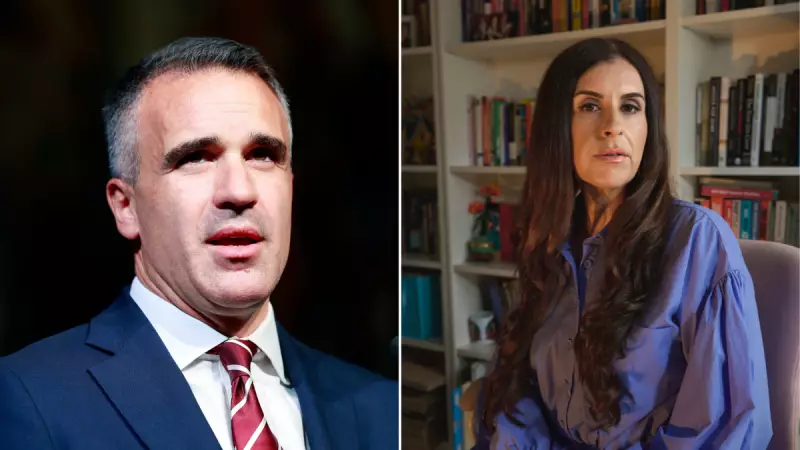
The premier's troubles began with what seemed a minor distraction but quickly exploded into a national and international story. The core issue was the inclusion of Palestinian-Australian author and speaker Dr Randa Abdel-Fattah in the forthcoming Adelaide Writers' Week program. Malinauskas, asked for his view, advised the Adelaide Festival Board that proceeding with Abdel-Fattah would be unwise due to her anti-Zionist views and the cultural sensitivities involved.
This position was reinforced in the aftermath of the Bondi massacre, which heightened perceptions of risk around an event that attracts up to 160,000 audience members. However, the premier's intervention triggered a dramatic implosion.

Board Resignations and a Festival Cancelled
The decision led to accusations that Malinauskas was denying freedom of speech, with critics labelling the situation "Moscow on the Torrens." In protest, numerous other authors withdrew from Writers' Week. The pressure culminated in the Adelaide Festival Board cancelling the event entirely before resigning en masse.
Malinauskas, who prides himself on crisis management, faced a barrage of criticism from the arts community. Event director Louise Adler was among those who quit in disgust. The premier, however, felt locked into his position, believing that an apology or concession would be seen as a sign of weakness.
Legal Threats and Lingering Hypocrisy Questions
The fallout continues to unfold. Dr Randa Abdel-Fattah has indicated she is likely to pursue defamation action against the premier, a case that could leave South Australian taxpayers footing the bill. In a stark reversal, the newly appointed Adelaide Festival Board promptly apologised to Abdel-Fattah and re-issued an invitation for next year's event, a move that has shielded the festival from her legal action.
This apology also convinced UK headline act Pulp to end its musical boycott and attend the festival. Yet, it leaves Premier Malinauskas isolated. He must now decide whether to distance himself from the board's new stance, despite the organisation's reliance on significant government funding.
Further complicating matters are questions of perceived hypocrisy. Malinauskas is the chief architect and staunchest supporter of Adelaide's Saudi-backed LIV golf tournament. Critics now ask whether the premier's apparent dismay at Abdel-Fattah's views conflicts with his embrace of LIV Golf's substantial financial benefits, given associated human rights concerns.
As the premier eyes the next state election, this episode has left a deep scar. The international arts community may now view him as an opponent of free speech, and the political road ahead remains fraught with difficulty.