A New South Wales Greens MP has publicly defended the use of the contentious phrase 'globalise the intifada' at an anti-Israel rally in Sydney, sparking immediate condemnation from Australia's peak Jewish body which labels it a clear example of anti-Semitism on the political left.
Defence of a contentious slogan
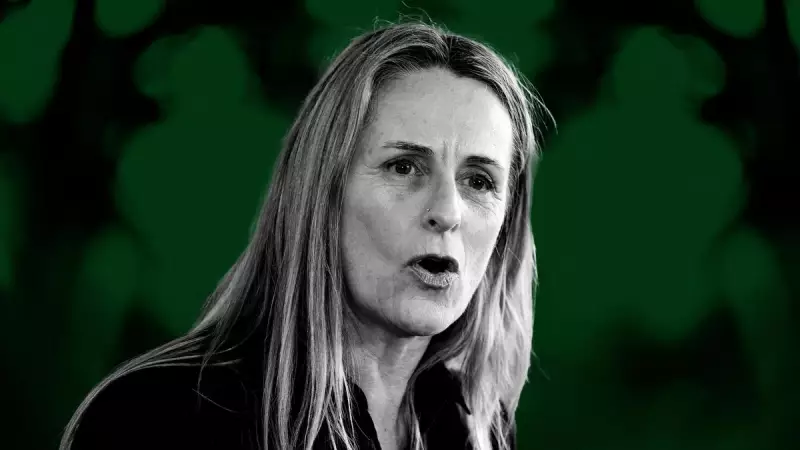
Speaking to The Nightly on Friday afternoon, just hours before a planned demonstration at Sydney's Town Hall against Israeli President Isaac Herzog's visit, Greens MP Sue Higginson argued the slogan is acceptable. She directly contradicted NSW Premier Chris Minns, who has stated the phrase is a call to violence that contributed to the environment leading to the Bondi Beach massacre.
"'Globalise the intifada' is literally about resisting oppression and it is the words to indicate the desire for freedom — freedom from oppression, shake it off, stand up, rise up against oppression," Ms Higginson said. The former lawyer and member of the state's upper house insisted the term does not imply or suggest any form of violence or hatred.

Her comments come as a State parliamentary committee examines the phrase, with a vote scheduled for next month on which slogans should be criminalised. UK police arrested protesters chanting these words last year.
Jewish leaders condemn phrase as anti-Semitic
Jewish community leaders have reacted with anger and dismay to the MP's defence of the term. Peter Wertheim, co-chief executive of the Executive Council of Australian Jewry, stated the phrase is unequivocally anti-Semitic. He linked it directly to the Second Intifada, a period from 2000 to 2005 marked by suicide bombings in Israel targeting Jewish civilians.
"It's disingenuous and it just reinforces a very widespread perception in the Jewish community that the Greens have a serious problem with anti-Semitism," Mr Wertheim told The Nightly. "It has an historical meaning targeting Jewish civilians. It is anti-Semitic."
Dvir Abramovich, chair of the Anti-Defamation Commission, expressed profound distress, noting the word 'intifada' instills terror in Jewish hearts due to its association with past campaigns of suicide bombings, stabbings, and shootings. He specifically referenced the 2001 bombing of a Jerusalem pizzeria that killed 15-year-old Australian girl Malki Roth and 15 others. "You can stand for Palestinian rights without importing the language of past massacres," he said.
Protesters urged to question police powers
Beyond the slogan debate, Ms Higginson also addressed new protest laws passed by the NSW Parliament in late 2025. The omnibus bill, supported by both the Labor Government and Liberal Opposition, grants Police Commissioner Mal Lanyon the power to ban marching protests in two-week blocks for three months following a terrorist attack.
Ms Higginson urged activists attending the Friday night Town Hall demonstration to respectfully question any police orders to disband. "There is no absolute, unfettered right for police to move people on from a public place or a public gathering," she asserted, describing the current legal landscape as "terribly uncharted territory."
Assistant Commissioner Peter McKenna indicated that riot squad officers would be prepared to act if inflammatory phrases were chanted, based on existing hate speech legislation. Police now also have enhanced powers to move on protesters blocking footpaths or roadways under the new laws.
The controversy highlights the intense and ongoing debate in Australia over the limits of protest, the interpretation of political slogans, and community safety in the wake of recent violence. Premier Minns's position remains firm, having stated on December 22 that the phrase is "a call to a global Intifada" in Sydney's streets, leading to "heightened disunity and an invitation to violence."