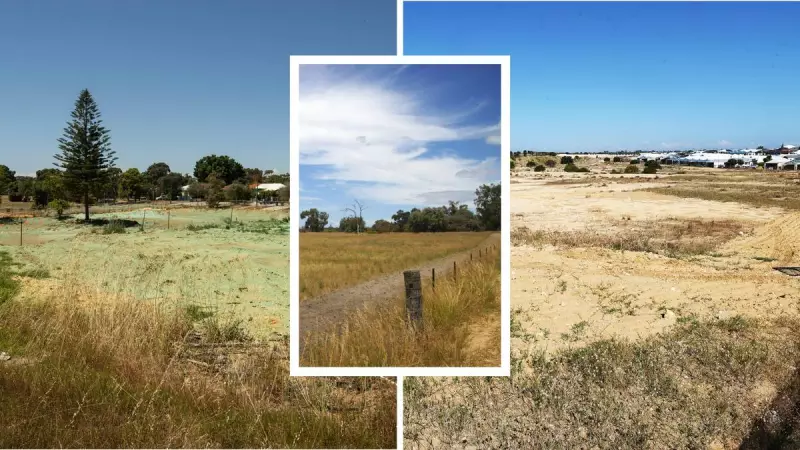
In a stark illustration of the hurdles facing housing supply, more than 1300 new residential lots across Western Australia have sat idle for over a decade. This follows state government development announcements made as far back as 2013 that have yet to materialise into homes.
A Decade of Delays and Unfulfilled Promises
The situation centres on two key land releases announced by the former Liberal-National government. The first, known as the "East Wanneroo 2" precinct, was unveiled in 2013 with the promise of creating approximately 1100 new lots. The second, the "North Ellenbrook" precinct, was announced in 2014 with plans for around 200 lots.
Despite these announcements, which were intended to boost land supply and improve affordability, the vast majority of these lots have never been developed. The current Labor government, which came to power in 2017, has pointed to significant infrastructure challenges as the core reason for the hold-up.

Planning Minister John Carey has explained that the East Wanneroo 2 area requires major upgrades to the intersection of Wanneroo and Joondalup roads, a costly and complex piece of infrastructure. Similarly, the North Ellenbrook precinct is stalled due to the need for a new primary school and the extension of Ellenbrook Boulevard.
The Political Blame Game and Community Impact
The issue has ignited a fierce political debate. Opposition Leader Shane Love has accused the government of failing to follow through on critical land releases, thereby exacerbating the state's housing shortage. He argues that the government has been too slow to address the necessary enabling works.
In response, Minister Carey has shifted blame to the previous government, claiming they "announced these projects without doing the proper business case and planning for the essential enabling infrastructure." He stated that his government is now working to rectify this, with business cases for the required infrastructure currently being assessed by both state and federal funding bodies.
The human impact of these delays is significant. With Western Australia in the grip of a severe housing and rental crisis, every delayed lot represents a potential home that is not available for families, first-home buyers, or renters. The prolonged wait undermines confidence in the planning system and frustrates those looking to enter the market.
What Happens Next for the Stalled Lots?
The path forward remains uncertain and contingent on securing substantial funding. The state government has submitted business cases for the crucial infrastructure to Infrastructure Australia and its state counterpart. A positive outcome is needed to unlock the funds required for road and school projects.
Until these enabling works are financed and completed, the 1300-plus lots will remain in planning limbo. This case highlights a recurring problem in urban development: the gap between announcing new land and delivering the essential services that make it livable.
The situation serves as a cautionary tale for future housing expansions. It underscores the necessity for comprehensive, fully-funded infrastructure planning to accompany any major land release announcement, ensuring that promised lots can be transformed into actual communities within a reasonable timeframe.