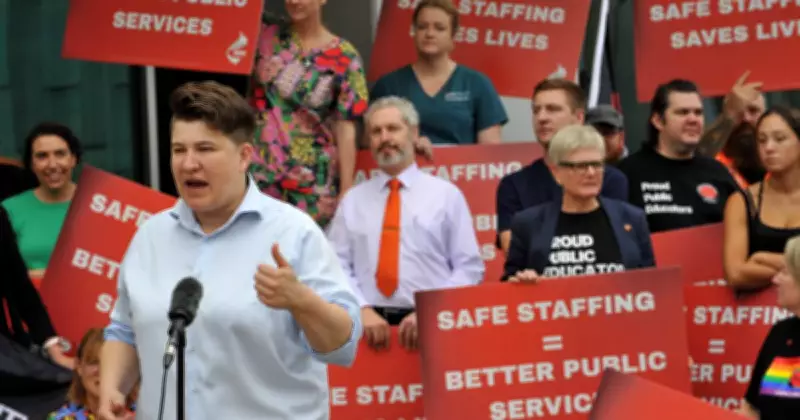
CPSU Accuses Government of Dismissing Safe Staffing Demands for Public Servants
The Community and Public Sector Union (CPSU) has made a significant claim, stating that the federal government has outright rejected proposals for implementing safe staffing levels within the public service. This development has sparked immediate concerns among union members and stakeholders regarding the potential impacts on employee workloads and the quality of service delivery to the Australian public.
Union Raises Alarm Over Workload and Service Risks
According to the CPSU, the government's refusal to consider safe staffing measures could lead to severe consequences. The union argues that without adequate staffing, public servants may face unsustainable workloads, which could compromise their well-being and efficiency. This situation, the CPSU warns, might result in delays in processing critical services, such as welfare payments, immigration applications, and other essential government functions that citizens rely on daily.
The CPSU has emphasized that safe staffing is not just about numbers but about ensuring a sustainable work environment that supports both employees and the public. They point to examples in sectors like healthcare, where safe staffing ratios have been shown to improve outcomes, suggesting similar principles should apply to the public service to maintain high standards of governance.

Government's Position and Broader Implications
While the government has not publicly detailed its reasons for rejecting the safe staffing claims, the CPSU's allegations suggest a potential clash over budget priorities and operational efficiency. This issue ties into broader debates about public sector reform, where balancing fiscal responsibility with workforce needs remains a contentious topic.
The union's claims highlight ongoing tensions between labor advocates and policymakers, with implications for future negotiations and public service morale. As discussions continue, the CPSU is likely to ramp up its advocacy, potentially leading to further industrial actions or public campaigns to pressure the government into reconsidering its stance on staffing levels.
In summary, the CPSU's assertion that the government has dismissed safe staffing proposals underscores a critical challenge in the public service sector. With workloads and service delivery at stake, this issue is set to remain a focal point in Australian political and labor discussions, affecting thousands of public servants and the communities they serve.