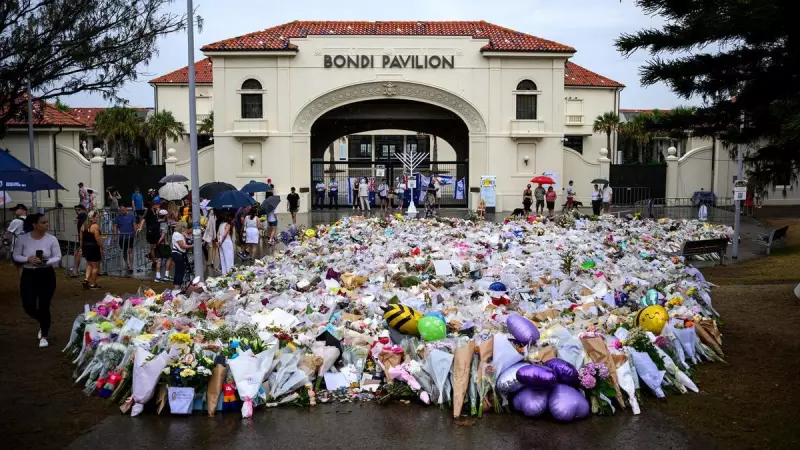
Prime Minister Anthony Albanese is facing mounting pressure to authorise a federal royal commission into the Bondi Junction terror attack, with senior government sources indicating he is preparing to reverse his previous opposition to the move.
Pressure Mounts from Within Labor and Grieving Families
The shift comes after intense advocacy from within his own party and from the families of victims, who have been demanding a full Commonwealth-led inquiry. Senior government sources have revealed that Albanese does not wish to remain at odds with the grieving families. His stance appears to have evolved since last month, when he responded to initial requests by stating, "we can't wait years for answers."
On Tuesday, the Prime Minister signalled a more open position, telling reporters, "We're continuing to examine everything else that is required." This change in tone coincides with the publication of an open letter from 21 former Labor politicians and officials, including ex-ministers, demanding federal action.

The letter argues that a New South Wales-based inquiry is insufficient, stating, "An NSW Royal Commission cannot compel institutions and individuals beyond its jurisdiction to give evidence. Only a Commonwealth Royal Commission can unpack the dynamics of Jew hatred."
Blunt Message from a Former Colleague
Among those adding their voice is former army colonel and Labor Minister Mike Kelly. Kelly said the Bondi attack had "woken us all up" and that "Australia's security bubble has been burst." He directed a pointed message to the Prime Minister, with whom he once served: "We used to say in the army, you've got three choices: Lead, follow or get out of the way."
Despite the push for a broad inquiry, the Albanese government's immediate legislative priorities remain gun buyback schemes and hate speech reforms. Consultations on these new laws began this week, with parliament expected to be recalled on January 19 to debate them.
Questions Over AFP Surveillance Program
Pressure is also increasing on the new Australian Federal Police Commissioner following revelations that a national surveillance team dedicated to monitoring high-risk terrorists was quietly disbanded just weeks before the Bondi attack.
A senior AFP figure attributed the decision to "budget pressures and a lack of certainty in relation to ongoing funding." However, Prime Minister Albanese countered this, asserting that there is currently "record funding for the Australian Federal Police."
Commenting on the practical challenges of surveillance, Deakin University professor Greg Barton noted, "There's always limits on surveillance. You can't surveil everyone you have concerns about."
The coming days will be critical as the government balances its stated legislative agenda with the growing demand for a comprehensive federal examination of the events and systems surrounding the Bondi tragedy.