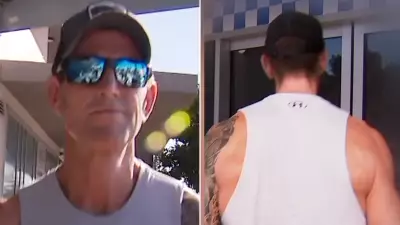
Prime Minister Anthony Albanese has faced a stark and public display of discontent from members of Australia's Jewish community during solemn memorial events in Sydney's Bondi. The protests, marked by silence and turned backs, were a direct response to the federal government's position on the ongoing Israel-Hamas conflict.
A Solemn Occasion Overshadowed by Protest
The incident occurred on Sunday, as the Prime Minister attended two significant gatherings to honour victims of recent violence. The first was a ceremony at the Bondi Memorial for the victims of the October 7 Hamas attacks on Israel. Later, Mr. Albanese joined a community vigil for the six people killed in the tragic Bondi Junction Westfield stabbing attack earlier in the month.
At the memorial for Israeli victims, a portion of the crowd, estimated to be in the hundreds, deliberately turned their backs on the Prime Minister as he arrived. This powerful act of silent protest was organised by community leaders who feel the Albanese government has not been sufficiently supportive of Israel. Attendees were also urged to remain completely silent during his address, a request that was largely followed, creating a tense and sombre atmosphere.

Community Leaders Voice Their Frustration
The protest was not a spontaneous reaction but a coordinated gesture. Key figures within the Jewish community, including Rabbi Gad Krebs, publicly encouraged this response. In communications before the event, Rabbi Krebs expressed the community's profound disappointment, stating the government's policies had left them feeling isolated and unsupported during a time of crisis.
This public snub highlights a significant rupture between the government and a community that has traditionally enjoyed strong bipartisan political support in Australia. The core of the grievance lies in the government's approach to the war in Gaza, particularly its consideration of recognising a Palestinian state and its criticisms of Israeli military actions. Community leaders argue these moves undermine Israel's right to self-defence and embolden Hamas.
Political Repercussions and the Path Forward
The visual of a sitting Prime Minister being met with such visible dissent at a memorial service is highly unusual in Australian political life. It underscores the deep emotional wounds and the complex political challenges the conflict has created domestically. While the government has consistently condemned the October 7 attacks and affirmed Israel's right to exist, its calls for restraint and humanitarian aid in Gaza have sparked anger among some supporters of Israel.
Opposition Leader Peter Dutton seized on the moment, criticising Mr. Albanese for what he described as a failure of leadership that had damaged the relationship with the Jewish community. The event places additional pressure on the Prime Minister to recalibrate his government's messaging and diplomatic efforts on the issue.
This incident at Bondi serves as a stark reminder of how international conflicts can reverberate powerfully within Australian society. It presents a serious challenge for the Albanese government as it seeks to navigate a balanced foreign policy while maintaining social cohesion at home. The silent protest in Bondi echoes a loud message of hurt and alienation that will require careful and sensitive address.