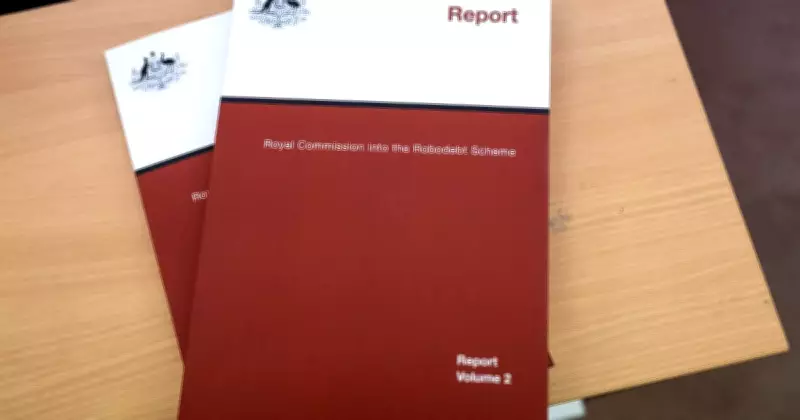
NACC Robodebt Report Identifies Two Individuals in Corrupt Conduct
The National Anti-Corruption Commission (NACC) has published a significant report that has uncovered evidence of corrupt conduct by two individuals involved in the controversial Robodebt scheme. This finding marks a pivotal moment in the ongoing investigations into one of Australia's most contentious government programs, which has been widely criticized for its flawed implementation and severe impacts on vulnerable citizens.
Details of the Corrupt Conduct
According to the NACC report, the two individuals engaged in actions that constituted corrupt conduct under the commission's definitions. While the specific identities and roles of these individuals have not been publicly disclosed to protect procedural fairness, the report indicates that their conduct contributed to the mismanagement and ethical breaches associated with the Robodebt initiative. The scheme, which automated debt recovery from welfare recipients, has been linked to numerous cases of incorrect claims and significant distress among affected individuals.
The report elaborates that the corrupt conduct involved failures in oversight, potential misuse of authority, and a disregard for proper administrative processes. These actions are believed to have exacerbated the scheme's flaws, leading to widespread public outcry and legal challenges. The NACC's investigation highlights how individual misconduct can amplify systemic issues within government operations, underscoring the need for robust accountability mechanisms.

Systemic Failures and Broader Implications
Beyond the identification of the two individuals, the NACC report delves into the broader systemic failures that allowed the Robodebt scheme to proceed despite known risks. It points to inadequate checks and balances, poor communication between government departments, and a lack of transparency in decision-making processes. These factors created an environment where corrupt conduct could occur without immediate detection or intervention.
The report also discusses the human cost of the scheme, noting that many Australians faced financial hardship and emotional trauma due to incorrect debt notices. By linking individual corrupt conduct to these outcomes, the NACC emphasizes the real-world consequences of ethical lapses in public administration. This has sparked renewed calls for reform in how government programs are designed and monitored, with a focus on preventing similar scandals in the future.
Reactions and Next Steps
In response to the report, political figures and advocacy groups have expressed a mix of outrage and relief. Some have praised the NACC for its thorough investigation and commitment to uncovering the truth, while others argue that the findings underscore the need for more stringent anti-corruption measures across all levels of government. The report is expected to influence ongoing policy discussions, particularly around welfare administration and public sector integrity.
Moving forward, the NACC has recommended several actions, including:
- Implementing stronger oversight protocols for automated government systems.
- Enhancing training for public servants on ethical conduct and compliance.
- Conducting regular audits of high-risk programs to detect issues early.
These recommendations aim to address the root causes identified in the report and foster a culture of accountability. As the Robodebt scandal continues to unfold, this report serves as a critical reminder of the importance of vigilance and integrity in public service, with potential implications for future anti-corruption efforts in Australia.