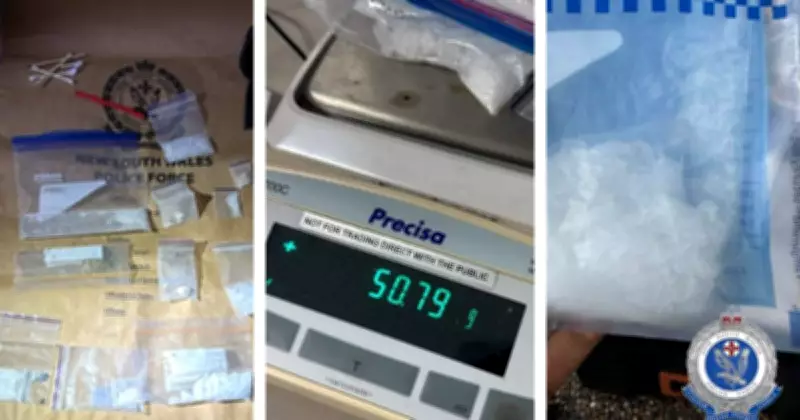
Drug Dealer Daniel Lee Connors Sentenced to Prison for Accepting Bunnings Vouchers as Payment
In a startling case that has captured public attention, Daniel Lee Connors, a drug dealer operating in the Newcastle region, has been handed a significant jail term after authorities discovered his unconventional method of accepting Bunnings vouchers as payment for illegal drugs. The sentencing marks a critical development in local law enforcement efforts to combat drug-related crimes in the area.
Uncovering the Scheme: Police Investigation Details
According to court documents and police reports, the investigation into Connors' activities began following tips from community members and undercover operations. Detectives uncovered that Connors was using Bunnings vouchers, typically associated with home improvement purchases, as a form of currency for transactions involving illicit substances such as methamphetamine and cannabis. This creative yet illegal payment method was designed to obscure the financial trail and evade detection by authorities.
The police operation involved surveillance and controlled buys, where officers posed as customers to gather evidence. During these interactions, it was revealed that Connors would exchange drugs for the vouchers, which he then allegedly used to purchase tools and materials, possibly to support further criminal enterprises or personal use. The case highlights the evolving tactics employed by drug dealers to circumvent traditional banking systems and law enforcement monitoring.

Court Proceedings and Sentencing Outcome
In court, prosecutors presented compelling evidence, including witness testimonies and forensic analysis, linking Connors to multiple drug deals involving the Bunnings vouchers. The defense argued for leniency, citing Connors' personal circumstances, but the judge emphasized the severity of the offenses and the need to deter similar criminal behavior in the community.
As a result, Daniel Lee Connors was sentenced to a substantial prison term, with the exact duration reflecting the gravity of his crimes and his prior criminal record. The judge noted that the use of vouchers as payment did not mitigate the illegal nature of the transactions, and the sentence serves as a warning to others involved in drug trafficking.
Broader Implications for Crime Prevention
This case sheds light on the innovative, albeit unlawful, methods drug dealers are adopting to facilitate their operations. By accepting non-cash payments like Bunnings vouchers, criminals aim to reduce the risk of detection and launder proceeds more discreetly. Law enforcement officials have stated that this incident underscores the importance of vigilance and community cooperation in identifying and reporting suspicious activities.
Authorities are now reviewing strategies to address such payment schemes, including enhanced monitoring of voucher transactions and public awareness campaigns. The sentencing of Connors is seen as a victory for police efforts, but it also raises questions about the broader challenges in combating drug-related crime in urban areas like Newcastle.
Key Takeaways from the Case:- Daniel Lee Connors used Bunnings vouchers as a payment method for drug sales, leading to his imprisonment.
- The police investigation relied on undercover operations and community tips to build a strong case.
- The court imposed a significant jail sentence, emphasizing the seriousness of the offenses.
- This incident highlights evolving criminal tactics and the need for adaptive law enforcement measures.
As the community reacts to this news, it serves as a reminder of the ongoing battle against drug trafficking and the creative lengths to which offenders will go to evade justice. The case of Daniel Lee Connors is a stark example of how even seemingly innocuous items like store vouchers can be exploited for criminal purposes, prompting calls for continued vigilance and legal action.