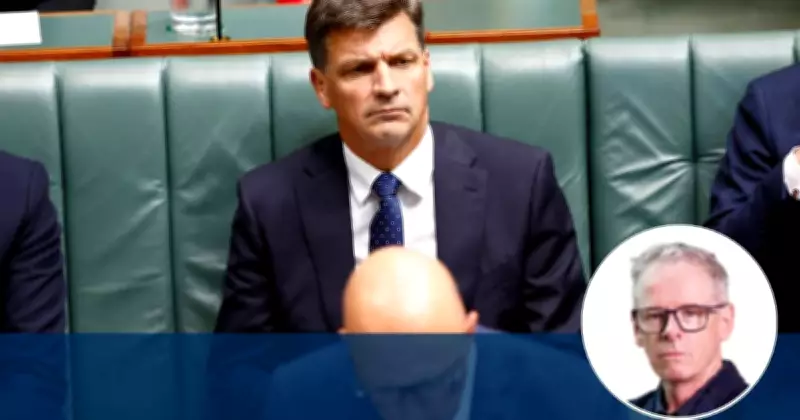
Kenny's Liberal Leadership Struggles Intensify After 2025 Election Defeat
The Liberal Party is grappling with escalating internal conflicts as leadership struggles under Peter Kenny have intensified in the wake of the 2025 federal election defeat. This political turmoil has exposed deep-seated factional divisions and prompted urgent calls for party renewal and strategic realignment.
Post-Election Fallout and Leadership Challenges
Following the disappointing election result, Peter Kenny's position as Liberal leader has come under intense scrutiny from within party ranks. Senior figures and grassroots members alike are questioning his ability to unite the party and mount an effective opposition against the incumbent government. The defeat has not only highlighted electoral vulnerabilities but also amplified existing tensions between moderate and conservative factions, creating a volatile environment for Kenny's leadership.
Internal discussions have revealed growing dissatisfaction with Kenny's communication style and policy direction, with critics arguing that his approach failed to resonate with key voter demographics. This has led to behind-the-scenes maneuvering as potential challengers assess their support bases, though no formal leadership challenge has yet materialized. The uncertainty is further compounded by the party's need to rebuild its public image and develop a coherent platform for future elections.

Factional Disputes and Calls for Renewal
The leadership struggles have exacerbated long-standing factional disputes within the Liberal Party, with different blocs advocating for divergent paths forward. Some members are pushing for a return to traditional conservative values, while others emphasize the need for modernization and broader appeal to attract younger and more diverse voters. This ideological rift is complicating efforts to present a unified front and is seen as a major obstacle to Kenny's consolidation of authority.
In response to the crisis, there have been increasing calls for a comprehensive party renewal process. Proposals include reviewing campaign strategies, engaging in grassroots consultations, and potentially reshuffling shadow cabinet positions to reflect a broader range of perspectives. However, progress has been slow due to the ongoing leadership instability, with many observers warning that prolonged infighting could further damage the party's electoral prospects.
Implications for Australian Politics
The ongoing leadership struggles within the Liberal Party have significant implications for the broader Australian political landscape. A weakened opposition could affect parliamentary dynamics, potentially reducing scrutiny on government policies and legislation. Moreover, the internal turmoil may influence voter perceptions, with some analysts suggesting that it could lead to a realignment of political allegiances if not resolved promptly.
As Peter Kenny navigates these challenges, his ability to quell dissent and articulate a clear vision for the party's future will be critical. The coming months are likely to be decisive, with party conferences and internal reviews expected to shape the direction of the Liberal Party. Stakeholders are closely watching for signs of resolution or further escalation in what has become a pivotal moment in Australian political history.