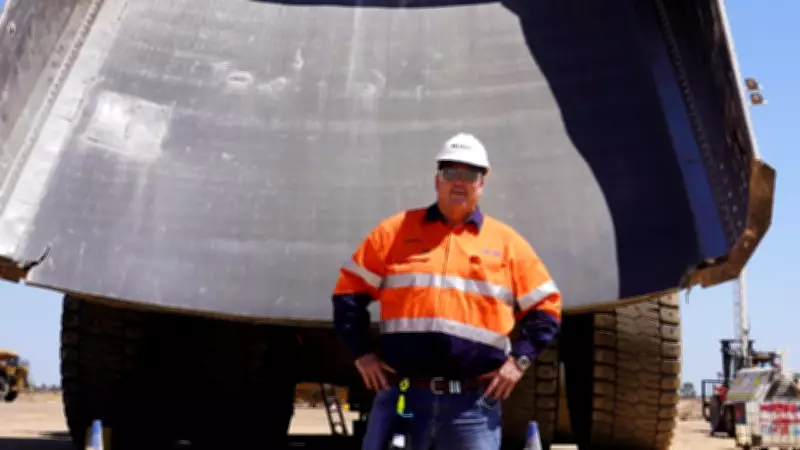
Willcox Condemns Parliament Expansion as Detrimental to Regional Australia
Federal Member of Parliament Bob Willcox has launched a scathing critique of the proposed expansion of Parliament, asserting that it will have severe negative consequences for regional communities across Australia. In a recent statement, Willcox argued that the move is ill-timed and misdirected, potentially siphoning off critical resources from areas already struggling with infrastructure and service gaps.
Resource Diversion and Bureaucratic Bloat
Willcox emphasized that expanding Parliament would lead to increased bureaucratic overhead and administrative costs, which could otherwise be allocated to pressing regional needs such as healthcare, education, and transport. He pointed out that regional Australia often faces funding shortfalls, and this expansion risks exacerbating those disparities by prioritizing political infrastructure over community welfare.
"This expansion is a classic case of putting the cart before the horse," Willcox stated. "We should be focusing on delivering tangible benefits to our regions, not expanding the political machinery in Canberra at their expense."

Political and Economic Implications
The criticism comes amid broader debates about government efficiency and fiscal responsibility. Willcox warned that the expansion could lead to:
- Higher taxpayer costs for salaries, offices, and support staff.
- Reduced attention to regional issues as Parliament becomes more centralized.
- Potential delays in decision-making due to increased complexity.
He called for a reassessment of priorities, urging policymakers to consider alternative reforms that enhance representation without compromising regional support.
Broader Context and Reactions
This stance aligns with growing concerns about urban-rural divides in Australia, where regional areas often feel overlooked in national policy discussions. While some proponents argue that Parliament expansion could improve democratic representation, Willcox contends that it must not come at the cost of regional development.
The issue has sparked discussions among stakeholders, with calls for more detailed cost-benefit analyses and public consultations before any decisions are finalized.