City of Melville Council Halts All New Public Memorials in Parks and Foreshore
The City of Melville council has made a definitive decision to prohibit any additional public memorials from being established within its public open spaces, including parks and foreshore areas. This move comes after council members expressed concerns about the increasing number of memorial requests and the potential saturation of these spaces with commemorative plaques.
Background and Rising Demand for Memorials
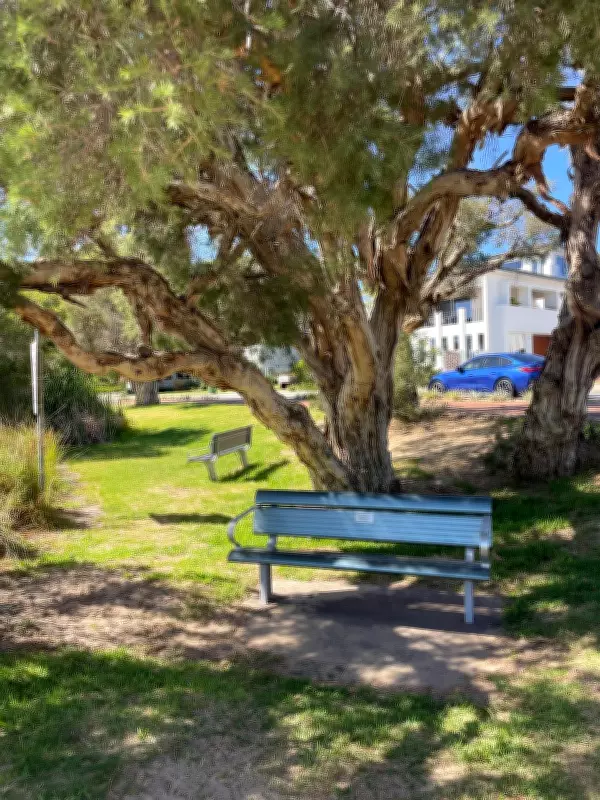
For years, the City of Melville has received numerous requests from residents seeking to install personal memorials, typically in the form of park benches adorned with plaques. The city currently maintains approximately 225 memorial plaques across its public areas. Historically, the council received an average of 15 such requests annually, but this number surged dramatically to as many as 30 requests in 2022 alone.
Since 2024, all new requests for personal memorials have been placed on hold while city staff worked to develop a coherent policy to manage the growing demand. Popular locations for these memorials have included Bicton Quarantine Park, Dyoondalup/Point Walter, Blackwell Reach Parade, and various other foreshore areas. Staff noted that these locations were becoming increasingly crowded, approaching what they described as a saturation point.

Council Decision and Proposed Alternatives
At its meeting on February 17, the council voted 8-3 against allowing any new memorials in public open spaces. This decision overturned a staff recommendation that proposed designating four specific Remember Me spaces as part of a new policy. The recommended locations were Bicton Quarantine Park, Jeff Joseph Reserve, Dyoondalup/Point Walter, and Deep Water Point, with an estimated implementation cost of around $160,000.
Councillor Nicole Robins, who moved the motion to end public memorials, argued that the city's parks and reserves were becoming oversaturated with plaques. She emphasized that there are already numerous places where individuals can grieve or reflect on their loved ones without adding more memorial structures.
Obviously people are going through a difficult time when they've lost someone and I don't want to be insensitive to that, but in my view these Remember Me benches or spaces may or may not be well-used, Cr Robins stated. You're either going to end up with an overload of plaques or if it's just meant to be one plaque for lots of people to share, I can't imagine that being very popular.
Divergent Views Among Councillors
The council debate revealed significant differences of opinion among members. Councillor Crawford Yorke supported the ban, suggesting that memorials should be a state-level issue and noting the presence of a large cemetery within the city. It started off as a nice idea and obviously it's got out of control, but it's time to pull back, he said. It's not a core function and ratepayers' money should be spent on the living.
In contrast, Councillor Glynis Barber advocated for continuing to allow memorials, citing a city survey that indicated 82 percent of respondents supported them. She proposed that residents could fund the benches themselves, creating a win-win situation. Melville has got the highest number of aging population in WA in the city of Perth, and those people do want to sit down, whether it's at the beach or whether it's on Kitchener Road. The more benches we can provide for our aging population, the better, Cr Barber argued.
Councillor Jennifer Spanbroek raised concerns about equity, pointing out that memorial plaques might privilege those who can afford them. She questioned whether individuals would be willing to place plaques on benches in less scenic locations, such as bus stops on Farrington Road or Parry Avenue.

Previous Policy and Emotional Challenges
Under the previous policy, the sole criterion for approving a memorial was that the person being commemorated must have resided in the City of Melville for at least ten years. A council report highlighted the emotional distress that could arise from denying requests, both for family members and city staff. Officers are also finding applicants are very particular with their requests and become emotional when their ideal location for the memorial bench is not able to be supported, the report noted. The entire process can be very stressful for city officers managing the requests and for the applicant.
Comparison with Other Local Governments
The City of Melville's decision stands in contrast to approaches taken by other local governments in the region. For instance:
- The Town of Mosman Park maintains a wall overlooking the Swan River where plaques can be added.
- The City of South Perth permits plaques on approved structures or trees.
- The City of Joondalup allows plaques to be installed in existing garden beds or integrated with existing trees.
These alternative methods provide residents with options for memorialization without overwhelming public spaces with individual benches.
The City of Melville's new stance effectively closes the door on future public memorials, marking a significant shift in how the council manages commemorative requests and balances community needs with practical considerations of space and resources.