Newcastle Council Staff Advise Against $17 Million Darby Street Project
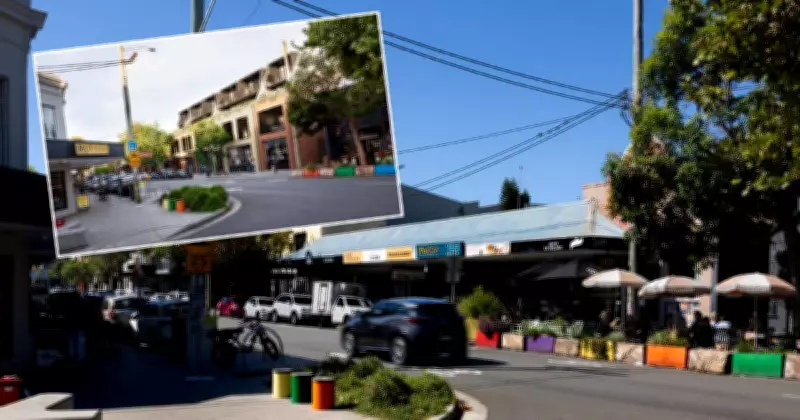
City of Newcastle staff have issued a formal recommendation opposing a proposed $17 million development project on Darby Street, raising significant concerns over financial viability and planning compliance. This advice, detailed in a recent council report, highlights potential risks to the city's budget and urban renewal strategies, sparking debate among local officials and community stakeholders.
Financial and Planning Concerns Cited
The staff report outlines several key issues with the Darby Street project, including projected cost overruns, inadequate funding models, and potential conflicts with existing zoning regulations. According to the document, the development could strain municipal resources and divert funds from other priority initiatives, such as infrastructure upgrades and public services. Additionally, planning experts within the council have flagged inconsistencies with the city's long-term urban design framework, suggesting the project may not align with broader goals for sustainable growth and community enhancement.
Impact on Local Governance and Community
This opposition from council staff is expected to influence upcoming decisions by elected officials, who must weigh the advice against potential benefits like job creation and economic stimulation. Community groups have expressed mixed reactions, with some advocating for the project's potential to revitalise the Darby Street area, while others support the staff's caution, citing concerns over increased traffic, environmental impacts, and disruption to local businesses. The debate underscores the challenges faced by urban councils in balancing development opportunities with fiscal responsibility and community interests.

Broader Implications for Urban Development
The situation in Newcastle reflects a broader trend in Australian cities, where council staff are increasingly playing a pivotal role in scrutinising major projects to ensure alignment with strategic plans and financial prudence. Experts note that such recommendations can serve as a safeguard against poorly conceived developments, though they may also delay or alter projects that could benefit the community. As the council prepares for further discussions, the outcome of this case could set a precedent for how similar proposals are handled in the future, emphasising the importance of thorough assessment and transparent decision-making in urban governance.