Adelaide's $35 Million First Nations Centre Faces Sewerage Crisis, Caterers Forced Off-Site
In a significant setback for community infrastructure, the newly opened $35 million Aboriginal Cultural Centre in Port Adelaide is operating without a proper connection to the main sewerage system. This critical deficiency has forced caterers to remove dishes and waste off-site, raising serious concerns about the facility's functionality and long-term viability.
Inadequate Systems Spark Community Outcry
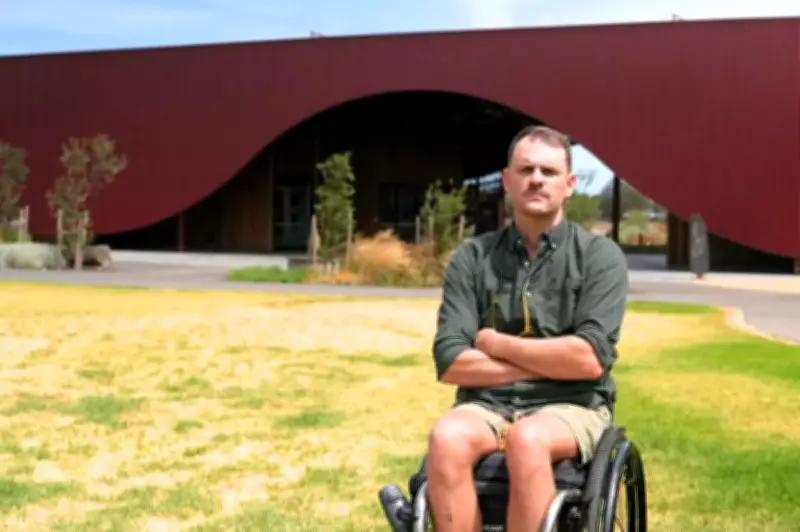
The centre, which opened last year as a flagship project for First Nations culture and education, has been plagued by claims that its essential systems are fundamentally inadequate. Local resident Shane Hryhorec has emerged as a vocal advocate, urgently calling on both the Port Adelaide council and the South Australian state government to address this glaring oversight. Hryhorec emphasizes that a multi-million dollar public facility of this importance should not be compromised by such basic infrastructure failures.
The situation has created operational chaos for event organizers and caterers, who must transport soiled dishes and other waste to external locations for proper disposal. This not only increases costs and logistical burdens but also undermines the centre's role as a hub for cultural gatherings and community events. The lack of sewerage connection is seen as a major oversight in the planning and execution of this high-profile project.

Government Accountability Under Scrutiny
Questions are now being raised about how a $35 million development could proceed without ensuring basic utilities like sewerage were fully integrated. The issue highlights potential gaps in oversight and coordination between different levels of government and project stakeholders. Community members are demanding transparency regarding the planning process and immediate action to rectify the problem.
This development comes at a time when investment in First Nations cultural infrastructure is a priority, making the sewerage shortfall particularly embarrassing for authorities. The centre was intended to serve as a symbol of progress and reconciliation, but its current operational challenges threaten to overshadow its cultural significance.
Broader Implications for Public Infrastructure
The incident serves as a cautionary tale for other large-scale public projects, emphasizing the need for thorough infrastructure assessments before opening. It also raises concerns about the allocation of public funds and the importance of post-construction support to ensure facilities meet their intended purposes. As calls for a solution grow louder, the response from council and state officials will be closely watched by both the local community and broader public infrastructure advocates.