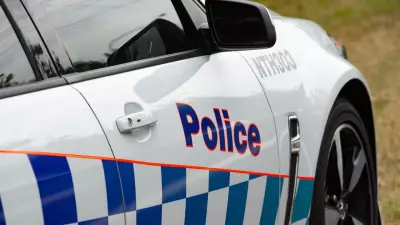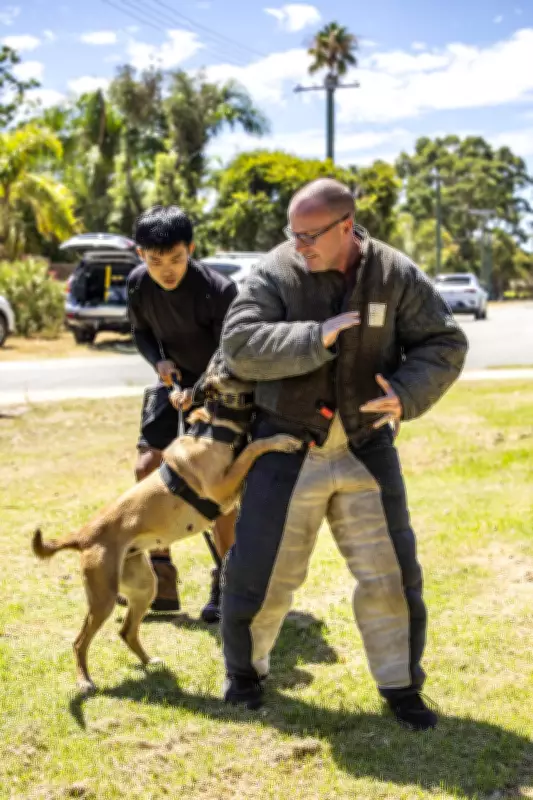
The Police Union of Western Australia has raised significant concerns that newly implemented rules requiring senior officer oversight for all police dog deployments could lead to dangerous delays in arrests, potentially allowing criminals to escape capture. This comes as WA Police introduces comprehensive reforms to its canine unit protocols following a damning report from the state's corruption watchdog.
New Oversight Requirements Spark Controversy
Under the revised protocols, a senior officer must now attend and conduct a preliminary investigation every single time a police dog is deployed, regardless of whether an injury occurs. This represents a substantial increase in oversight compared to previous procedures. The paperwork for each deployment must include detailed suspect information, a summary of the incident, and a description of any injuries for future analysis.
Police Union senior vice-president Peter McGee expressed serious reservations about these changes, describing the oversight as potentially "excessive." He warned that requiring physical attendance from senior officers, particularly during anti-social hours and in remote locations where such officers are scarce, could create significant operational delays.

Addressing Racial Disparities in Police Dog Use
The reforms come directly in response to findings from the Corruption and Crime Commission, which in 2022 determined that policies governing police dog use were "not racist in intent, but are racist" in their outcomes. The commission's investigation revealed startling statistics: during the 2020/21 period, 61 percent of all canine officer deployments targeted Aboriginal and Torres Strait Islander people.
Commissioner Michael Corboy has praised what he calls "significant" progress in reducing the risk of serious misconduct. He noted that WA Police has already observed a reduction in incidents involving police dog deployments since implementing the recommendations. The CCC stated that the new rules "reduce the level of ambiguity and risk" surrounding canine unit operations.
Data Gaps and Broader Social Issues
Further analysis conducted by Edith Cowan University's Sellenger Centre uncovered substantial data deficiencies in police records. Critical information including suspect demographics was missing in 60 percent of cases reviewed. While initial observations suggested that over-representation in police dog apprehensions might relate to Aboriginal and Torres Strait Islander people being overrepresented in serious crime incidents, the CCC report cautioned that this explanation was overly simplistic.
The report emphasized that such overrepresentation forms part of much broader social issues requiring comprehensive attention beyond just policing practices.
Balancing Oversight with Operational Effectiveness
Shadow Police Minister Adam Hort has cautioned that while oversight is important, it must be properly resourced to avoid unintended consequences. "We trust our police officers to carry a firearm and a taser and to make serious use of force decisions every day to keep our community safe," he stated. "Oversight is important, but it must be properly resourced so it does not unintentionally delay or discourage the use of essential policing tools, like the canine unit."
Hort added his concern about police dogs becoming underutilized: "I would hate to see police dogs stuck in kennels instead of out on the road helping tackle violent crime."
Focus on Training and Injury Reduction
Police Commissioner Col Blanch emphasized that the changes aim primarily to reduce injury rates through improved training and protocols. "We're always learning. We always want to do better," Blanch stated. "Most of the changes are around the training of the dog itself and the ability to recall the dog once released. The protocols about when to release and recall, if necessary, will prevent unnecessary injury to others."
Blanch acknowledged the valuable work of canine officers, noting they "do an amazing job, not just keeping our other police safe, but keeping our community safe." The commissioner's comments highlight the delicate balance between implementing necessary reforms and maintaining effective law enforcement capabilities.

The debate continues as WA Police navigates the complex intersection of operational efficiency, officer safety, community protection, and addressing systemic issues identified by oversight bodies. The implementation of these new protocols will be closely watched by all stakeholders in the coming months.