One Nation Candidate Faces Backlash Over Aboriginal Greeting Sign Comments
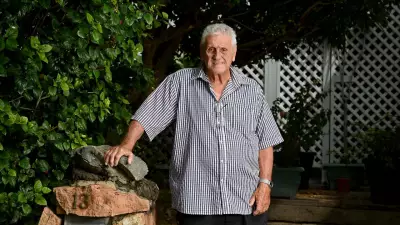
An Aboriginal Elder has voiced surprise and disappointment after derogatory remarks were made by One Nation's star South Australian candidate regarding a common Kaurna greeting sign at Adelaide University. The comments, which were shared on social media by former Senator Cory Bernardi, have ignited controversy and drawn criticism from community leaders.
Controversy Erupts Over Cultural Signage
The incident centers on a sign at Adelaide University that displays a traditional Kaurna greeting, intended to acknowledge and respect the Indigenous heritage of the area. In a recent video, One Nation's candidate, alongside figures such as Senator Pauline Hanson and Victor Harbor Councillor Carlos Quaremba, criticised the sign, questioning its relevance and purpose. This has led to a strong response from local Aboriginal communities, who view the sign as an important step towards cultural recognition and reconciliation.
According to sources, the Aboriginal Elder involved expressed that they were "disappointed" by the lack of understanding shown by the political figures. They emphasised that the Kaurna greeting is a fundamental part of the region's history and should be embraced rather than dismissed. The Elder highlighted that such signs play a crucial role in educating the public and fostering inclusivity, particularly in educational institutions like universities.

Political Figures Under Scrutiny
The video, which features comments from Cory Bernardi, has sparked wider debate about the attitudes of political parties towards Indigenous issues. Bernardi, known for his conservative views, reportedly made the derogatory remarks on social media, which were then amplified by the One Nation campaign. This has raised concerns about the party's commitment to engaging with Aboriginal communities and respecting their cultural practices.
In response, supporters of the sign argue that it represents a positive move towards acknowledging the traditional owners of the land. They point out that similar initiatives have been implemented across Australia to promote cultural awareness and respect. Critics, however, including some within One Nation, have labelled such efforts as "political correctness gone too far," leading to a polarised discussion on social media and in public forums.
Broader Implications for Cultural Recognition
This incident underscores ongoing tensions in Australia regarding the recognition of Aboriginal culture and language. The Kaurna people, as the traditional custodians of the Adelaide Plains, have long advocated for greater visibility and respect in public spaces. The university sign is part of a broader trend towards incorporating Indigenous languages into everyday life, which experts say can help bridge gaps in understanding and promote social cohesion.
As the debate continues, community leaders are calling for more education and dialogue to address misconceptions about Aboriginal greetings and symbols. They stress that respect for Indigenous heritage is essential for building a more inclusive society. The controversy also highlights the role of political candidates in shaping public opinion on cultural matters, with many urging for a more informed and respectful approach in future discussions.
In summary, the criticism of the Kaurna greeting sign by One Nation's candidate has not only disappointed local Aboriginal Elders but also sparked a necessary conversation about cultural respect in Australian politics. The outcome of this debate may influence how similar issues are handled in the future, particularly as the country continues to grapple with its colonial history and the path towards reconciliation.