Katrina Fanning Questions Need for ACT Cultural Safety Inquiry
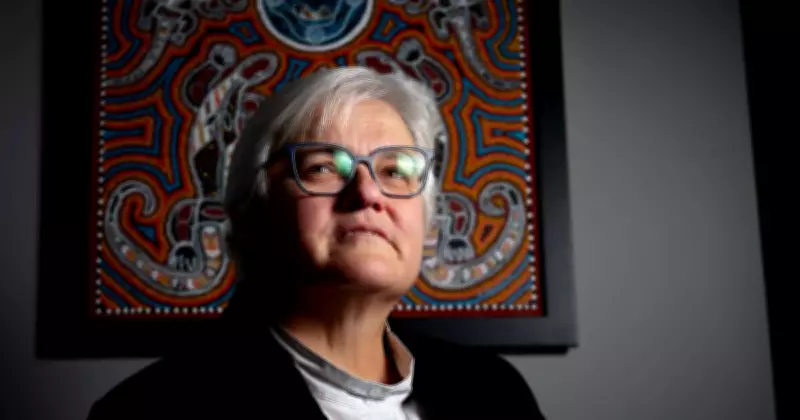
Prominent Indigenous leader Katrina Fanning has publicly stated that the Australian Capital Territory's proposed cultural safety inquiry is unnecessary, sparking debate over government priorities and Indigenous policy. Fanning, a respected figure in Aboriginal affairs, contends that existing frameworks and mechanisms already address cultural safety concerns, making the inquiry redundant and potentially diverting resources from more urgent needs.
Existing Frameworks Deemed Sufficient
In her critique, Fanning emphasized that the ACT already has robust systems in place to promote cultural safety, including established protocols and community-led initiatives. She argued that rather than launching a new inquiry, the government should focus on strengthening and implementing these current structures. "We don't need another review to tell us what we already know," Fanning remarked, highlighting the risk of consultation fatigue within Indigenous communities.
Fanning pointed to several key areas where she believes action is more critical than further investigation:

- Enhancing existing cultural competency training programs across public services.
- Increasing funding for community-controlled organizations that directly support Indigenous well-being.
- Addressing systemic barriers in education, healthcare, and employment through tangible policy measures.
Calls for Practical Action Over Consultation
The Indigenous leader's comments come amid broader discussions about the effectiveness of government inquiries in driving real change. Fanning stressed that while consultation is important, it should not replace direct action. "We've seen too many reports gather dust on shelves," she noted, urging policymakers to move beyond symbolic gestures and invest in concrete solutions that improve outcomes for Aboriginal and Torres Strait Islander peoples.
Fanning's stance has resonated with some community advocates who share concerns about the inquiry's potential to delay progress. They argue that resources allocated to the inquiry could be better spent on frontline services and initiatives that have a direct impact on cultural safety and reconciliation efforts.
Government Response and Broader Implications
The ACT government has yet to issue a formal response to Fanning's criticisms, but the debate underscores ongoing tensions in Indigenous policy-making. Proponents of the inquiry argue it could provide valuable insights and identify gaps in current approaches, but Fanning's intervention suggests a need to balance consultation with implementation.
This development highlights the complex dynamics of cultural safety initiatives in Australia, where Indigenous voices like Fanning's play a crucial role in shaping discourse. As discussions continue, the focus remains on ensuring that policies translate into meaningful improvements for Indigenous communities, rather than becoming mired in bureaucratic processes.