The history of Australian prisoners of war (POWs) during World War II is marked by profound suffering and resilience. Among the most harrowing chapters is the experience of those captured by Japanese forces and held under the brutal regime of the Kempei Tai in Java. This article delves into the untold stories of these soldiers, shedding light on their ordeal and the lasting impact on their lives.
The Capture and Imprisonment
Following the fall of Singapore in 1942, thousands of Australian soldiers were taken prisoner by the Japanese Imperial Army. Many were transported to Java, where they were subjected to the harsh conditions of POW camps. The Kempei Tai, the Japanese military police, were notorious for their ruthless interrogation methods and strict enforcement of discipline. In Java, they established a network of camps where prisoners were forced into hard labor, often with inadequate food and medical care.
Life Under the Kempei Tai
Life in the camps was a daily struggle for survival. Prisoners were frequently beaten, starved, and subjected to brutal punishments for minor infractions. The Kempei Tai employed a system of collective responsibility, where the entire camp would suffer for the actions of one individual. This created an atmosphere of fear and distrust among the prisoners. Despite these conditions, many Australian POWs demonstrated remarkable courage and camaraderie, supporting each other through the darkest times.

One survivor recalled, "We were treated like animals, but we never lost our humanity. We looked out for each other, sharing whatever scraps of food we could find and offering words of encouragement." This spirit of solidarity was crucial to their survival.
The Legacy of Survival
For those who survived the camps, the psychological scars remained long after the war ended. Many struggled with post-traumatic stress disorder (PTSD) and found it difficult to reintegrate into civilian life. However, their experiences also forged a deep bond among veterans, leading to the formation of associations that provided support and preserved the memory of their fallen comrades.
The story of Australian POWs in Java is a testament to the resilience of the human spirit in the face of unimaginable adversity. It serves as a reminder of the horrors of war and the importance of remembering those who suffered.
Remembering the Fallen
Today, memorials and ceremonies honor the sacrifice of these soldiers. The Australian government continues to work with historical organizations to document and share their stories, ensuring that future generations understand the cost of war. The legacy of the Kempei Tai's brutality in Java is a somber chapter in Australian military history, but it also highlights the courage and endurance of those who endured it.
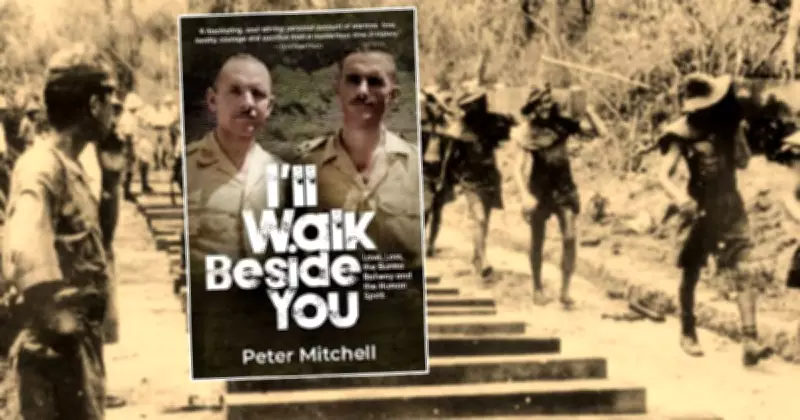
As one veteran said, "I'll walk beside you, mate, in memory and in spirit." This sentiment echoes through the decades, binding together the survivors and the fallen in a shared history of sacrifice and resilience.