In Depth: Aboriginal Anzacs fought for Australia, but returned home to racism
After fighting for their country in the First World War, many Aboriginal Australians saw no improvement in their rights or living conditions. John Maynard from the University of Newcastle tells how a political group founded by his grandfather led to change.
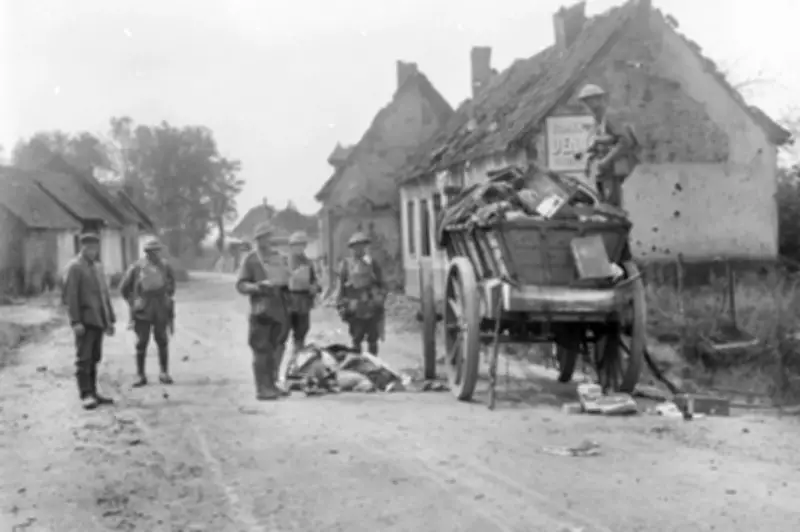
Tom Walker was killed in a trench at Bayonvillers (pictured, in August 1918). Photo: Australian War Memorial

More than 1,000 Aboriginal Australians are estimated to have served in World War I, despite being denied the right to vote, excluded from the census, and subjected to restrictive laws that controlled their lives. They enlisted for various reasons: a sense of duty, adventure, or the hope that their service would earn them respect and better treatment back home.
Yet upon return, they faced the same discrimination. Many were denied soldier settlement blocks, refused access to returned soldiers' clubs, and were paid lower pensions than their non-Indigenous counterparts. Some were even stripped of their military uniforms and medals by local authorities.
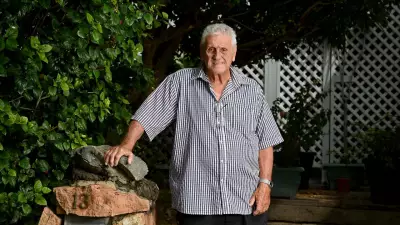
John Maynard, a professor of history at the University of Newcastle, explains that the war experience did not change the entrenched racism in Australia. Instead, it galvanised Aboriginal activism. His grandfather, Fred Maynard, founded the Australian Aboriginal Progressive Association (AAPA) in 1924, which became a powerful voice for Indigenous rights.
The AAPA campaigned for citizenship rights, land rights, and an end to the forced removal of children. It also fought against the Aborigines Protection Board, which controlled the lives of Aboriginal people in New South Wales. The organisation grew to include hundreds of members and held public meetings, published newspapers, and lobbied politicians.
John Maynard notes that the AAPA was a direct response to the betrayal felt by Aboriginal servicemen. They had fought for Australia, but Australia did not fight for them. The organisation laid the groundwork for future generations of activists, including the Freedom Riders of the 1960s and the Aboriginal Tent Embassy in 1972.
Today, the legacy of Aboriginal Anzacs is increasingly recognised. Memorials have been erected, and their stories are being told in schools and museums. However, John Maynard emphasises that the struggle for equality continues, and the sacrifices of these soldiers should not be forgotten.