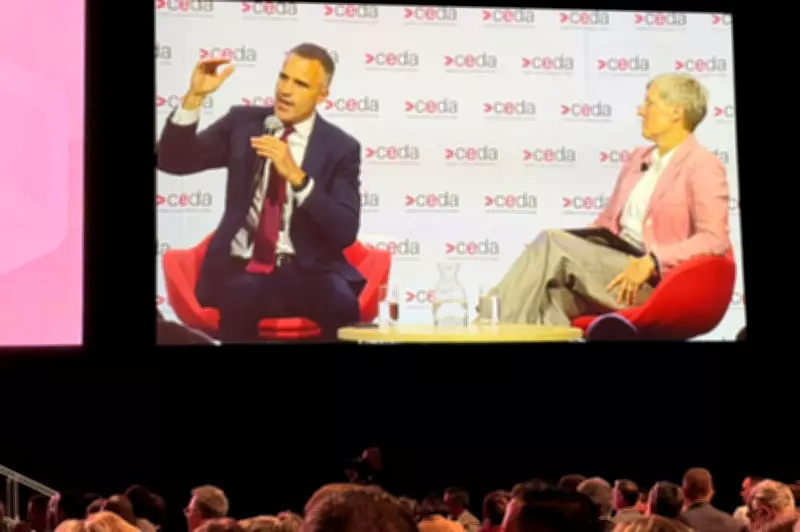
SA Premier Advocates for Increased Migration to Fuel Economic Growth
South Australian Premier Peter Malinauskas has issued a strong rebuke to One Nation's immigration policies, emphasizing the need for an extra 2000 migrants per year to support ambitious plans aimed at transforming the state into a high-wage economy. In a pointed statement, Malinauskas questioned the practicality of One Nation's stance, asking, "Who's going to wipe your bum when you're 90?" This rhetorical challenge underscores the critical role migrants play in sustaining essential services and driving economic development.
Economic Vision and Migration Targets
Premier Malinauskas outlined that South Australia requires a significant boost in migration to achieve its major economic objectives. The proposed increase of 2000 migrants annually is seen as vital for addressing labor shortages, enhancing productivity, and fostering innovation across key sectors. This move aligns with broader strategies to elevate the state's economic profile and ensure long-term prosperity for its residents.
Criticism of One Nation's Policies
Malinauskas lambasted One Nation's immigration policies, labeling them as short-sighted and detrimental to South Australia's future. He argued that restrictive immigration measures could hinder economic growth and exacerbate workforce challenges, particularly in industries reliant on skilled and unskilled labor. The Premier's comments reflect a growing debate over immigration's role in regional development and social cohesion.

Broader Implications for South Australia
The call for increased migration comes amid ongoing discussions about population growth, infrastructure planning, and community integration. Malinauskas highlighted that migrants contribute not only to the economy but also to the cultural and social fabric of the state. By advocating for a more open immigration approach, he aims to position South Australia as a competitive and inclusive destination for talent and investment.
This development signals a potential shift in political discourse around immigration, with implications for policy-making and public opinion in the lead-up to future elections.