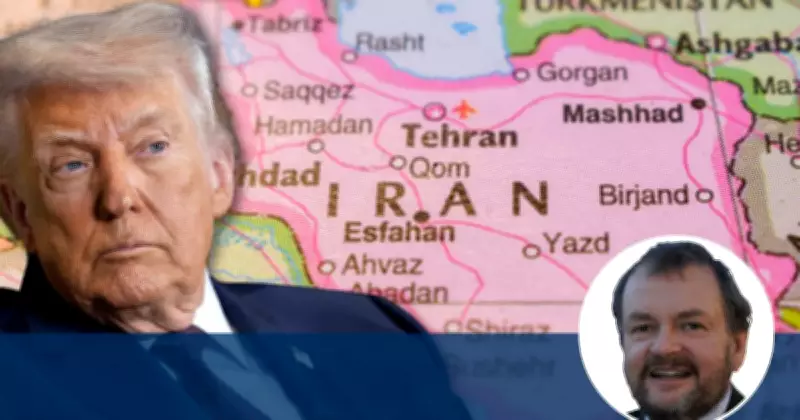
Crispin Hull Examines US Global Policing and Intelligence Failures
In a recent analysis, journalist Crispin Hull has raised critical concerns about the United States' approach to global policing, pointing to significant flaws in intelligence gathering and the far-reaching consequences of these errors. His commentary delves into the complex dynamics of international relations, where missteps in intelligence can lead to destabilising outcomes on a global scale.
The Role of Flawed Intelligence in US Foreign Policy
Hull argues that the US, in its efforts to maintain global order, often relies on intelligence that is incomplete or inaccurate. This reliance, he suggests, stems from a combination of geopolitical pressures and institutional biases within intelligence agencies. For instance, past interventions have been justified based on intelligence that later proved to be flawed, resulting in military actions with unintended and often devastating effects.
Key examples include the Iraq War, where intelligence on weapons of mass destruction was later discredited, leading to prolonged conflict and regional instability. Hull emphasises that such cases highlight a systemic issue where intelligence is sometimes shaped to fit predetermined policy goals, rather than informing objective decision-making.

Consequences of Misguided Global Policing
The consequences of these intelligence failures are profound, affecting not only the targeted regions but also global security and diplomatic relations. Hull notes that flawed intelligence can erode trust among allies, fuel anti-American sentiment, and create power vacuums that extremist groups exploit. In regions like the Middle East, this has contributed to ongoing conflicts and humanitarian crises.
Moreover, Hull points out that the financial and human costs are staggering, with trillions of dollars spent on military engagements and countless lives lost or displaced. He stresses that these outcomes underscore the need for a more cautious and evidence-based approach to international interventions.
Calls for Reform and a New Strategy
In response to these challenges, Hull advocates for a reassessment of US global policing strategies. He proposes several reforms, including:
- Enhancing transparency and accountability in intelligence processes to reduce biases and errors.
- Fostering greater international cooperation, rather than unilateral actions, to address global threats.
- Investing in diplomatic and economic tools as alternatives to military force.
Hull's analysis concludes that while the US has a role in promoting stability, it must learn from past mistakes to avoid repeating them. By prioritising accurate intelligence and multilateral engagement, he believes the US can better navigate the complexities of global affairs and mitigate negative consequences.