Donald Trump's efforts to subvert the 2020 presidential election represent a grave and ongoing threat to American democracy, according to legal experts and former officials. The former president's actions, including pressuring state officials, attempting to overturn results in key battleground states, and inciting the January 6 Capitol riot, have been described as an unprecedented assault on the electoral process.
The Mechanics of Subversion
Trump's campaign to overturn the election involved multiple strategies. He pressured Georgia Secretary of State Brad Raffensperger to "find" enough votes to flip the state's outcome, a call that was recorded and widely condemned. In Michigan, Trump invited state legislators to the White House in a bid to influence the certification process. These efforts were part of a broader pattern of attempting to exploit legal loopholes and challenge results through lawsuits, most of which were dismissed by courts.
The January 6 Capitol riot was the culmination of these efforts. Trump's speech that day, urging supporters to "fight like hell," directly preceded the violent breach of the Capitol. The House select committee investigating the attack has gathered extensive evidence showing that Trump was aware of the potential for violence but did nothing to stop it.

Impact on Democratic Institutions
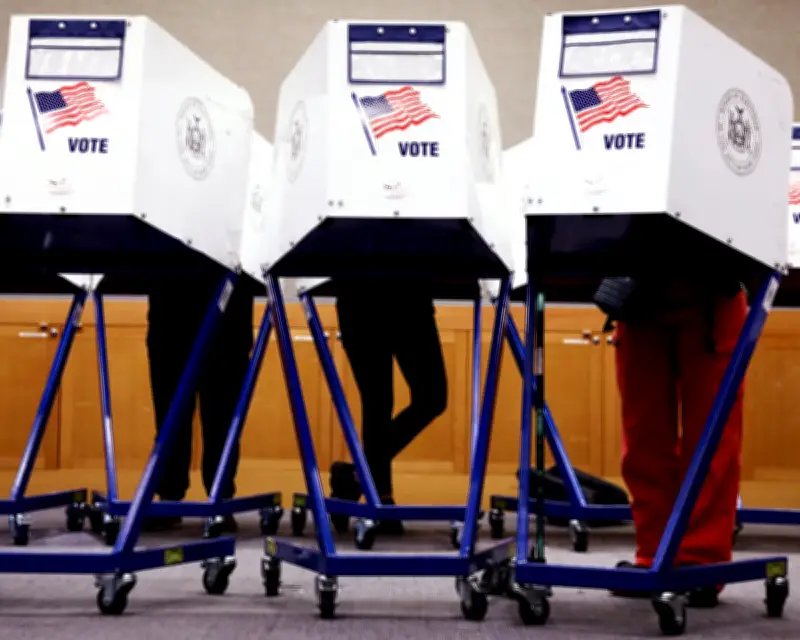
The long-term impact of Trump's election subversion is profound. According to a study by the Brennan Center for Justice, at least 19 states have passed laws restricting voting access since the 2020 election, often citing baseless claims of fraud. These laws disproportionately affect minority voters and could alter the outcome of future elections.
Moreover, the erosion of trust in the electoral system is a significant concern. A recent Pew Research Center poll found that only 57% of Americans have confidence in the accuracy of the vote count, down from 70% in 2020. This distrust is particularly pronounced among Republicans, with 78% believing the 2020 election was stolen.
Legal and Political Repercussions
Trump faces legal consequences for his actions. The Department of Justice is investigating his role in the January 6 attack, and a grand jury in Georgia is probing his attempts to overturn the state's election results. Additionally, the House select committee has referred Trump for criminal prosecution on charges including insurrection and obstruction of an official proceeding.
Politically, the fallout has been divisive. While some Republicans have distanced themselves from Trump, many continue to support him. The former president remains a powerful force in the party, and his false claims about the election have become a litmus test for loyalty. This has hindered efforts to unify the party and address broader policy challenges.
According to constitutional scholar Laurence Tribe, "Trump's actions represent the most serious threat to American democracy since the Civil War. If left unchecked, they could set a precedent for future attempts to subvert elections."
Conclusion
The implications of Trump's election subversion extend far beyond the 2020 election. They have exposed vulnerabilities in the electoral system and deepened political polarization. As the nation grapples with these challenges, the need to protect democratic institutions and restore trust in the electoral process has never been more urgent.