Taxpayers to Fund Security for Harry and Meghan's Melbourne Tour
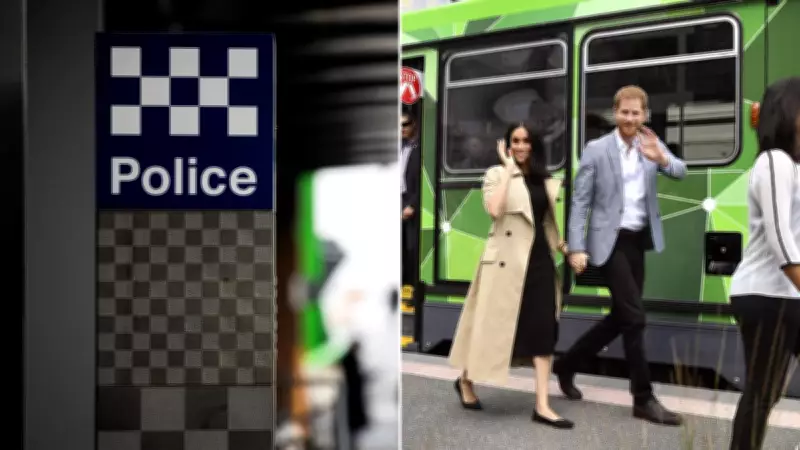
Australian taxpayers are poised to cover the expenses for police and public safety measures during the four-day visit of Prince Harry and Meghan Markle to Melbourne, even though the trip itself is privately funded. The Duke and Duchess of Sussex arrived in Melbourne on Tuesday to commence a tour focused on mental health, community support, and veterans' issues, but the logistical demands of ensuring their safety are anticipated to partially rely on public funds.
Security Costs Could Reach Hundreds of Thousands
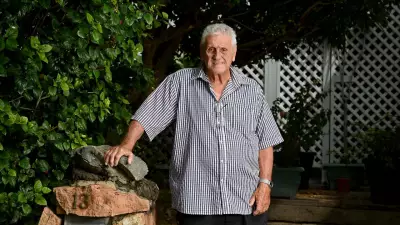
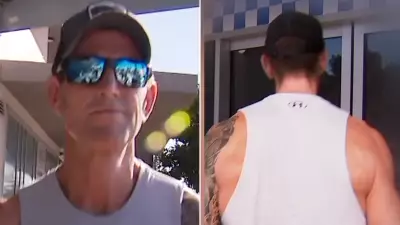
Security expert Tony Loughran informed Sunrise that the total cost for the operation might escalate into the tens or hundreds of thousands of dollars. Loughran emphasized that the visit necessitates a coordinated, multi-layered strategy involving both private and public resources. He explained that Prince Harry's personal security team will handle close protection, while state police are expected to manage broader operations, including perimeter security, route management, and crowd control.
Loughran detailed the complexities involved, stating, "He's inevitably going to bring his team over ... they'll dovetail with private security here. But then you've got the outer layer, which is the actual police, then where they're going to come in and look at cordons. They'll look at private venues themselves, where they might need a bit of additional support."

Police Resources Redirected from Normal Duties
The security measures will involve securing travel corridors between hotels and venues, managing vehicle movements, and conducting risk assessments at each location, all of which draw upon existing police resources. Loughran noted that the scale of this operation could lead to officers being reassigned from their regular duties, potentially impacting other public safety functions.
Despite the high-profile nature of the visit, Prince Harry and Meghan Markle are not expected to participate in traditional royal walkabouts or large-scale public events, which might have otherwise increased security demands. However, the need for comprehensive safety protocols remains paramount due to their status and the public interest surrounding their activities.
This situation highlights the ongoing debate about the allocation of public funds for high-profile visits, raising questions about transparency and accountability in such expenditures. As the tour progresses, further details on the exact costs and resource impacts are likely to emerge, prompting discussions among policymakers and the public alike.