The Albanese government's tax reforms, proposed in the 2026 federal budget, secured safe passage through parliament this week, demonstrating that Australia's democratic system can still deliver major policy change despite controversy and negotiation.
Reform as a democratic process
The reforms, which include changes to housing, capital gains and trusts, faced significant debate and were modified after consultations with affected groups and negotiations with the Greens in the Senate. This process mirrors past major reforms, such as the introduction of the goods and services tax (GST) in the late 1990s under Prime Minister John Howard.
Howard first proposed a GST in May 1997, and the government spent years refining the plan, with cabinet meetings continuing until weeks before its implementation on July 1, 2000. Opposition to the GST was intense, yet the reform was eventually passed and is now an accepted part of Australian life, much like Medicare and sex discrimination laws.

Government's reform package
Treasurer Jim Chalmers introduced the tax reforms in his budget speech on May 12, mentioning reform 28 times. He stated the government aimed to "help rebalance a system which is more generous to assets than it is to labour." The package substantively survived, with minor tweaks and modest concessions to the Greens in exchange for their support in the Senate, where the government lacks a majority.
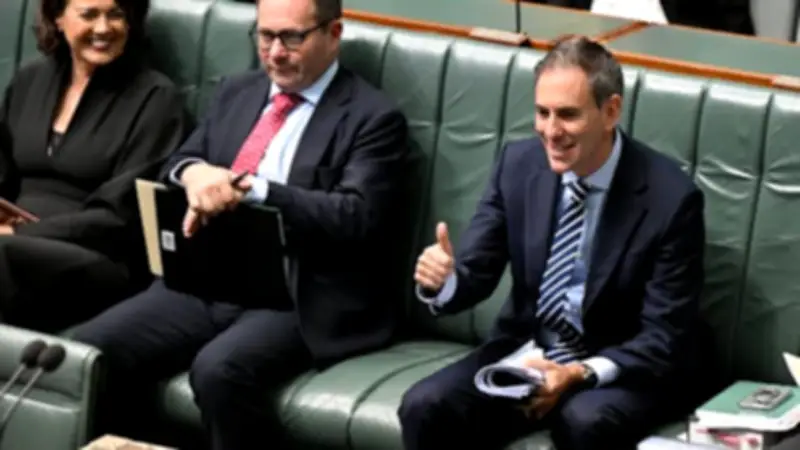
Chalmers argued during Question Time that Labor wants "to make it easier for people to buy their first home, not their 20th home," highlighting the government's focus on workers and homebuyers.
Political challenges and personal attacks
The Coalition opposition sought to personalise the debate by drawing attention to Prime Minister Anthony Albanese's past investment property sales under the previous concessional capital gains tax regime. Albanese countered that he wanted young people to have the same opportunity he had to buy property based on earned income, rather than inheritance—a subtle jab at Opposition Leader Angus Taylor.
While the government may win the parliamentary debate, it faces challenges in convincing the broader electorate, particularly in the digital sphere, where Labor was slow to respond after the budget.
Despite substantial property holdings among politicians across parties, the passage of these reforms signals that bold moves to make the tax system fairer are still possible, offering hope for further necessary changes ahead.