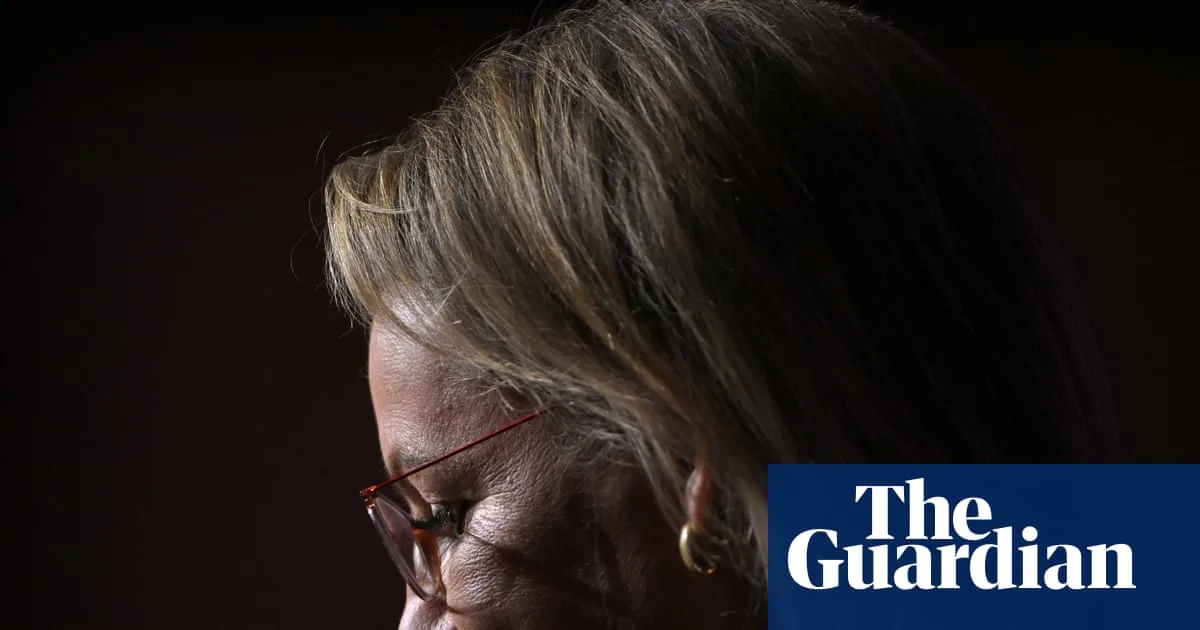
Sussan Ley has resigned as leader of the Liberal Party, ending a 276-day tenure marked by internal conflict and declining poll numbers. Ley, who became the first female leader in the party's 81-year history in May 2025, announced she would also vacate her seat, triggering a byelection in Farrer.
Ley's leadership was characterized by a promise to revive the party by respecting modern Australia, but she faced relentless undermining from conservative colleagues. Critics within the party, including Senator James Paterson, who resigned from shadow cabinet to support challenger Angus Taylor, warned that the party was at risk of collapse.
Despite initial support from some moderates, Ley struggled against a right-wing faction that opposed her from the start. One Liberal MP noted that conservatives never intended to accept a moderate woman as leader, and that right-wing media criticized her from day one.

Ley's reshuffle of the shadow ministry, which promoted allies like Alex Hawke and demoted right-wingers including Sarah Henderson and Jacinta Nampijinpa Price, further alienated conservative hardliners. This group, sometimes called the 'Maga-right,' consistently pressured Ley to adopt more populist policies.
The Coalition's primary vote collapsed to 18% in recent Newspoll results, providing the trigger for Taylor's successful challenge. Ley's allies argue she was never given a fair chance, citing interference from the Nationals and hostile media coverage.