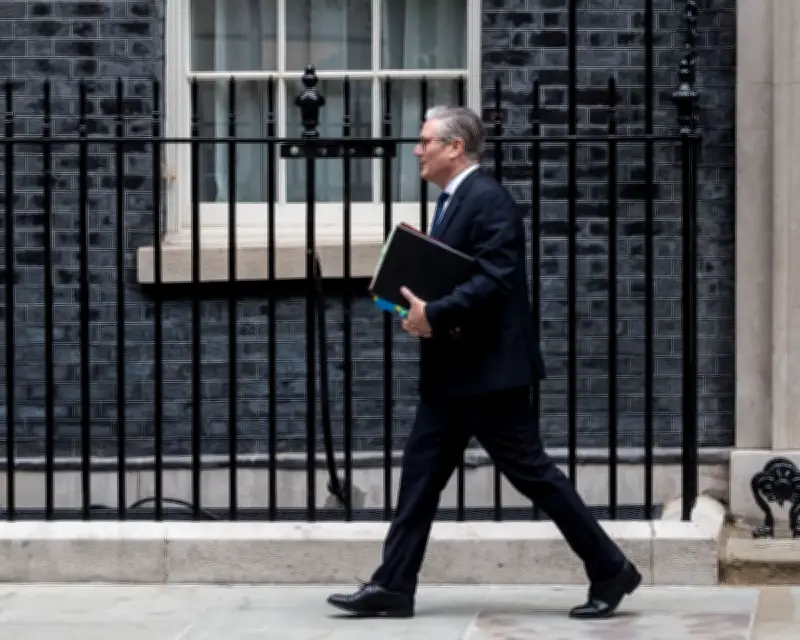
Keir Starmer, the leader of the Labour Party, has unveiled a major defence investment plan that has ignited a vigorous debate over national spending priorities and security strategy. The plan, which promises substantial increases in military funding, is set to be a central issue in the upcoming political discourse.
Key Elements of the Plan
The proposed investment includes significant upgrades to the UK's armed forces, with a focus on modernising equipment, enhancing cyber capabilities, and increasing troop readiness. Starmer emphasised the need to adapt to evolving global threats, particularly in light of recent geopolitical tensions.
Speaking at a press conference, Starmer stated: "Our national security must be our highest priority. This investment ensures that our armed forces are equipped to meet the challenges of the 21st century." The plan also includes provisions for increased collaboration with NATO allies and a commitment to meet the 2% GDP defence spending target.

Political Reactions
The announcement has drawn mixed reactions from across the political spectrum. Conservative MPs have criticised the plan, arguing that it lacks detailed costings and may require tax increases or cuts to other public services. Defence Secretary Dan Jarvis welcomed the focus on defence but called for a cross-party approach to ensure long-term stability.
Shadow Defence Secretary Al Cairns expressed support for the investment but questioned the timeline and feasibility of the proposed upgrades. Meanwhile, Liberal Democrat leader John Healey urged caution, warning against "knee-jerk spending" without a clear strategic framework.
Economic Implications
The plan's economic impact is a key point of contention. Proponents argue that increased defence spending will boost jobs and technological innovation, while critics warn of potential strain on public finances. The Institute for Fiscal Studies has estimated that the plan could require an additional £10 billion annually, raising questions about funding sources.
Starmer has indicated that the investment would be funded through a combination of reallocated budget priorities and economic growth, but opponents demand more transparency. The debate is expected to intensify as the government prepares its next budget.
Public Opinion
Early polls suggest that the public is divided, with many supporting stronger defence but concerned about potential cuts to health and education. The Labour leader's plan aims to strike a balance, but the coming weeks will test its political viability.
As the discussion unfolds, all eyes are on the upcoming parliamentary debates, where the defence investment plan will be scrutinised in detail. The outcome could shape the UK's defence posture for decades to come.