Reform UK has been deploying a sophisticated media tactic known as 'Fleet Street spoilers' to neutralize potentially damaging stories before they gain traction, party insiders have revealed. The strategy, which involves selectively briefing sympathetic journalists, allows the party to shape the narrative and minimize reputational harm.
How the Spoiler Tactic Works
The method typically involves party officials contacting friendly media contacts—often at right-leaning publications—to provide a pre-emptive version of a story that is about to break. This version is framed to put the party in a favorable light or to downplay negative aspects. In some cases, the party may even offer an exclusive on a different topic to divert attention.
According to a former Reform UK staffer, the tactic has been used on multiple occasions over the past year. 'It's a very calculated approach. They identify which stories are going to cause trouble and then they work to get ahead of them,' the staffer said.

Nigel Farage's Role
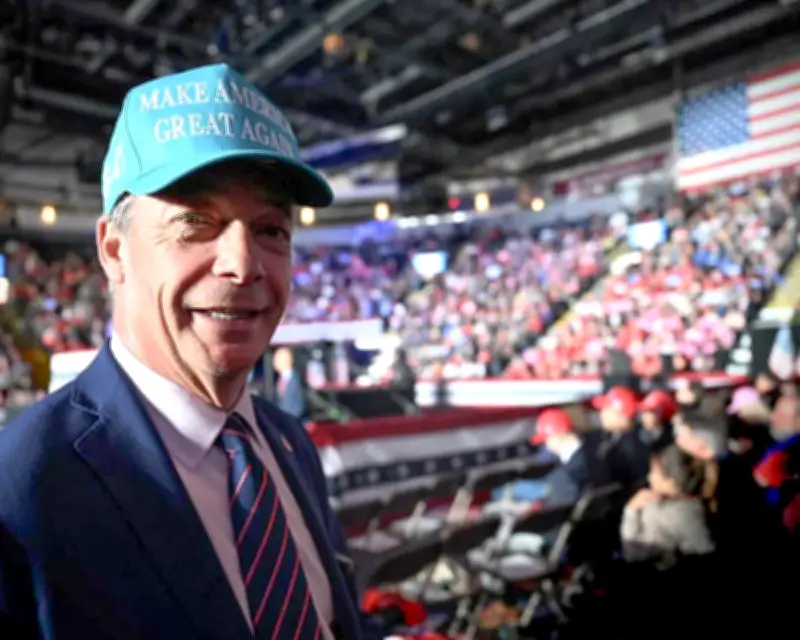
Party leader Nigel Farage is said to be intimately involved in the strategy, often personally reaching out to journalists he has known for decades. Farage's extensive network in the media, built during his years as a prominent Brexit campaigner, is a key asset for the party.
One recent example involved a story about internal party divisions over candidate selection. Before the story could be published by a mainstream outlet, Farage gave an interview to a friendly newspaper that framed the disagreements as a healthy debate within a 'broad church' movement.
Impact on Political Reporting
The use of spoilers has raised concerns among political journalists about the erosion of independent reporting. Some argue that the tactic allows Reform UK to effectively veto stories it does not like, by flooding the zone with alternative narratives.
'It's a classic spin technique, but they've elevated it to an art form,' said a political editor at a national newspaper. 'They understand that the news cycle moves fast, and if they can get their version out first, it becomes the default story.'
Reform UK's Defense
Reform UK has defended the practice as standard political communication. A party spokesperson said: 'We engage with the media openly and transparently. It is our job to put forward our side of the story, and we will continue to do so.'
The party has also noted that other political parties use similar tactics, though perhaps not as systematically. However, critics argue that Reform UK's approach is particularly aggressive given its relatively small size and disproportionate media influence.
Broader Implications for Democracy
Media analysts warn that the spoiler tactic could undermine public trust in journalism. When the public sees conflicting versions of events, it can become harder to discern the truth. 'This is part of a wider trend where political actors try to control the narrative by manipulating the press,' said Dr. Emma Collins, a media studies professor at the University of London.
She added: 'It's not illegal, but it raises ethical questions about the relationship between politicians and journalists. The public deserves to know when a story has been shaped by the subject of that story.'