A cross-party committee of UK MPs has recommended that Parliament be given the power to veto the appointment of ambassadors, in a move designed to reduce political patronage and ensure that diplomatic posts are filled on merit.
Committee's Key Proposal
The Foreign Affairs Committee, in a report published on Thursday, proposed that the government must seek the committee's approval before any ambassador is appointed. If the committee objects, the appointment would be blocked unless the prime minister overrides the veto with a personal statement to the House of Commons.
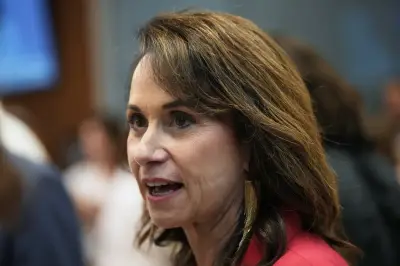
Committee chair Alicia Kearns said the current system allows for "cronyism" and "jobs for the boys," undermining the professionalism of the Foreign Office. "We need to restore trust in the appointments process," she said. "Ambassadors represent the UK on the world stage; they must be chosen for their skills, not their connections."

Details of the Recommended Veto Process
Under the proposal, the Foreign Affairs Committee would review all ambassadorial appointments and could reject candidates deemed unsuitable. The government would then have to either withdraw the nomination or face a Commons vote. The report also suggests that the committee should be consulted early in the selection process to avoid wasted time and resources.
The recommendation comes amid concerns that recent appointments have been influenced by political favouritism. The committee cited examples where ambassadors were appointed without sufficient diplomatic experience, though it did not name individuals.
Government Response and Reactions
The Foreign Office has expressed reservations, arguing that the current system ensures flexibility and allows the government to appoint the best candidates quickly. A spokesperson said, "We are committed to a professional diplomatic service and will consider the committee's recommendations carefully. However, we must ensure that any new process does not delay critical appointments."
Former diplomats have welcomed the proposal. Sir Simon McDonald, a former head of the Diplomatic Service, said, "This is a sensible step to safeguard the integrity of our diplomatic corps. The committee's oversight would add a layer of accountability without politicising appointments."
Impact on UK Diplomacy
If implemented, the UK would join a small number of countries where parliamentary committees have a formal role in approving ambassadors. The United States Senate, for example, must confirm ambassadorial nominees. The committee's report notes that such systems can enhance transparency and public confidence.
The proposal now awaits government consideration. It is unclear whether Prime Minister Keir Starmer will accept the recommendation, but the committee has signalled it will push for legislation if necessary.