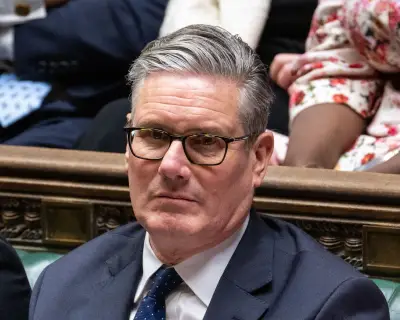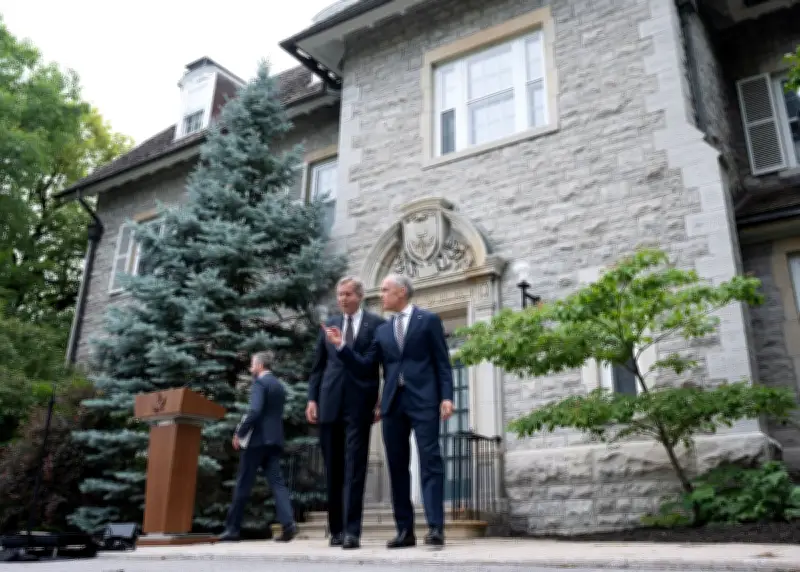
Mark Carney, the former governor of the Bank of England and the Bank of Canada, has officially entered the race to become Canada's next prime minister, challenging incumbent Justin Trudeau for the leadership of the Liberal Party. The announcement, made on June 26, 2026, sets the stage for a high-stakes contest that could reshape Canadian politics.
Carney's Background and Platform
Carney, 61, is widely respected in global financial circles for his role in navigating the Bank of England through the aftermath of the 2008 financial crisis and the Brexit referendum. He also served as Governor of the Bank of Canada from 2008 to 2013, where he was credited with helping Canada weather the global recession better than most other developed nations. In his campaign launch, Carney emphasized his experience in economic management and his vision for a sustainable, inclusive economy. He pledged to focus on climate action, affordable housing, and strengthening Canada's position in a rapidly changing world.
Challenging Trudeau
Justin Trudeau, who has been prime minister since 2015, faces growing discontent within his own party and among the electorate. Recent polls show the Liberal Party trailing the opposition Conservatives, and Trudeau's approval ratings have dipped amid concerns over inflation, healthcare, and housing affordability. Carney's entry into the race presents a formidable challenge, as he is seen as a credible alternative with a strong track record in economic leadership. According to a senior Liberal Party strategist, Carney's candidacy could revitalize the party's fortunes by appealing to centrist voters and those disillusioned with the current leadership.

Reaction and Implications
The announcement has drawn mixed reactions. Supporters praise Carney's expertise and global stature, while critics question his lack of direct political experience. Conservative Party leader Pierre Poilievre dismissed Carney as an elitist out of touch with ordinary Canadians. However, Carney's team argues that his experience in managing complex economic challenges makes him uniquely qualified to lead the country. The Liberal Party leadership vote is scheduled for later this year, with the winner set to lead the party into the next federal election, which must be held by October 2026.