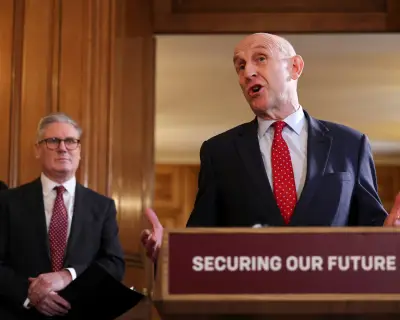
Prime Minister Anthony Albanese and Treasurer Jim Chalmers addressed the media on 18 June 2026. 'It wasn’t a question of if concessions would be offered but rather when and, most importantly, how much they might undermine the original purpose,' they stated.
Analysis: The CGT 'Backflip' Is More Tweak Than Transformation
Labor hasn't changed its mind on housing. Do the concessions undermine the original objective of helping young Australians buy their own home? No.
The noise, negative headlines, and internet memes surrounding Labor’s capital gains tax changes since the budget night unveiling made a backdown seem inevitable. It wasn't a question of if concessions would be offered but rather when and, most importantly, how much they might undermine the original purpose.

For a government and prime minister that has often shirked confrontation, this was an early and significant test of Labor’s newfound commitment to hard and necessary policy reform.
The suite of proposed changes announced by Albanese and Chalmers on Thursday appeared at first blush to be a major rewrite of their budget centrepiece. It was reported as such in various media outlets, including The Australian, which described it as a 'massive policy retreat' and a 'backflip'.
But on closer inspection, the substance of the changes is more tweak than transformation—a series of adjustments designed, at least in some cases, with the primary aim of neutralising the 'scare campaigns' being mounted against them.
Key Concessions Announced
The most significant change will increase the annual turnover threshold for a small business to qualify for existing capital gains tax concessions from $2 million to $10 million. Responding to viral meme campaigns from entrepreneurs and some disquiet inside Labor ranks, the government will design a special carve-out allowing 'innovative' start-ups to access a 50% capital gains tax discount.
It will exempt all testamentary trusts—including trusts set up in the future—from its proposed minimum 30% tax rate in a direct attempt to defuse false allegations it is introducing a 'death tax'. It will also wind back some of the treasurer’s discretionary powers to make rules, in a bid to quell one of the Greens’ main concerns.
The concessions will cost the budget $475 million over the forward estimates, a relatively small sum given the whole tax package is forecast to raise more than $8.1 billion over that period.
Reactions from Critics
The hostile reaction from opponents was as predictable as the backdown that prompted it. Major business groups responded with similar statements dismissing the changes as a small reprieve to an otherwise damaging attack on business aspiration. Opposition leader Angus Taylor told Labor: 'Scrap it, scrap the bill.'
Albanese and Chalmers were never going to be able to appease Taylor or the fiercest private sector critics because doing so would have required not pursuing changes to negative gearing or the capital gains tax discount at all. The prime minister and treasurer don’t have that option, having cast reforms to the tax breaks as the key to getting young Australians into the housing market.
Do the concessions announced on Thursday undermine that objective? No.
'We understand that there’s never a unanimous view about economic reform, and particularly about tax reform. It’s always contested, it’s always contentious, but it will be worth it,' Chalmers said.
Path Through Parliament
With the concessions offered up and a Senate inquiry report due to be tabled on Friday, the government’s focus will immediately turn to negotiations to get the legislation through parliament. The Coalition’s opposition means the Greens offer the only path through the Senate.
Greens leader Larissa Waters was pleased the treasurer would give up some of his rule-making powers but was not yet sold on the bill. 'We’ve still got a way to go, and really the government could have been so much braver and actually tackled the housing crisis, and instead we’ve seen them tinkering around the edges and now making even more carve-outs,' she said on Thursday.

The Greens could stall the entire process if they accept the Coalition’s offer to delay the tax bills in exchange for a longer inquiry into sweeping changes to the National Disability Insurance Scheme. It sets the scene for a tense fortnight of negotiations before parliament rises on 2 July for a five-week winter break.
Albanese and Chalmers are desperate to end the sitting period with their landmark reforms safely legislated. Once that happens, the pair hope the noise and negative headlines will ease—for a while at least.