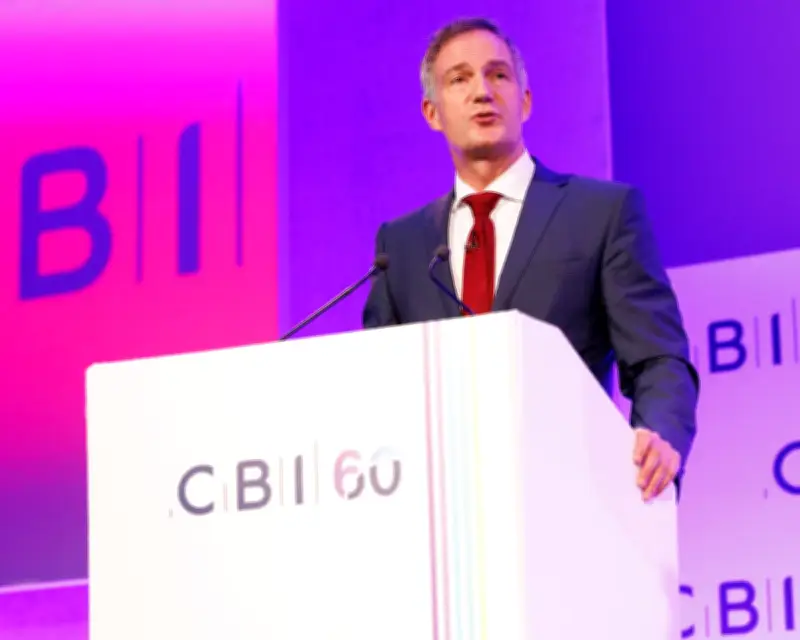
Peter Kyle, the UK business secretary, has launched a "concierge service" aimed at helping fast-growing companies navigate Whitehall bureaucracy, with an extraordinary goal: nurturing the UK's first trillion-dollar firm. One trillion dollars is approximately £750bn, dwarfing the largest company on the London Stock Exchange, HSBC, worth £235bn, and Arm Holdings, worth £280bn.
Political Puffery or Genuine Ambition?
Such talk could be dismissed as harmless political puffery, as a business secretary is expected to sound bullish about UK companies. However, concerns arise when Kyle discusses taking more risks with public money via the British Business Bank (BBB) and the National Wealth Fund (NWF), which have received extra Treasury funding. He told the Sunday Times: "You are going to start to see us take more risks, upping the risk threshold in our desire to back British innovation as it scales. I want us to be aggressively ambitious."
Problems with the Declaration
Two main issues emerge. First, the blurry use of "us" raises fears of politicians playing fund managers. The BBB and NWF receive funding from the Treasury, but politicians are meant to stay away from day-to-day lending and investing decisions. Second, "aggressively" ambitious jars with the need for strategic, patient, and responsible investment. The BBB describes its approach as deploying public capital to align with private-sector standards of institutional investment.

While the sums have grown—the BBB can now make direct investments of up to £150m per company, such as the £100m into Oxford Quantum Circuits—Kyle would be better off highlighting that this was a follow-on investment in a company where the BBB had been a shareholder since 2022. The quantum computing investment followed internal logic, unlike some other ventures.
Reaction to Criticism
On social media, Kyle reacted angrily to criticism of 1970s-style corporatism, stating: "The years of standing back and watching British industry decline are over. To succeed in today's global economy I am championing an activist, interventionist industrial policy driving economic growth forward."
Up to a point, his stance is sympathetic. The BBB and NWF are not rescuing corporate losers; their activities include things governments have always done, like the NWF's £599m soft loans for Rolls-Royce small modular reactors. The pioneering element is filling the funding gap for UK startups and scale-ups. Given years of complaints about the funding hole, government action is reasonable.
Overselling the Role
However, Kyle oversells the role of the BBB and NWF. These bodies primarily lend and guarantee loans; when they invest in equity, they do so alongside private sector funds. The real goal is improving access to financing for young companies and critical infrastructure. That is a worthwhile but plainer ambition than Kyle's excitable talk about "betting big" and his "quest" for the first trillion-dollar UK company. The interventionist strategy is meant to be about strict risk criteria and disciplined investment. It is best to stay close to those principles.