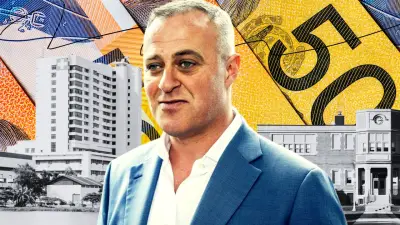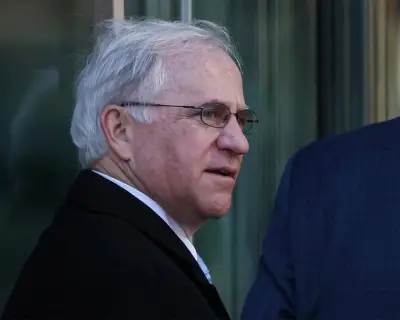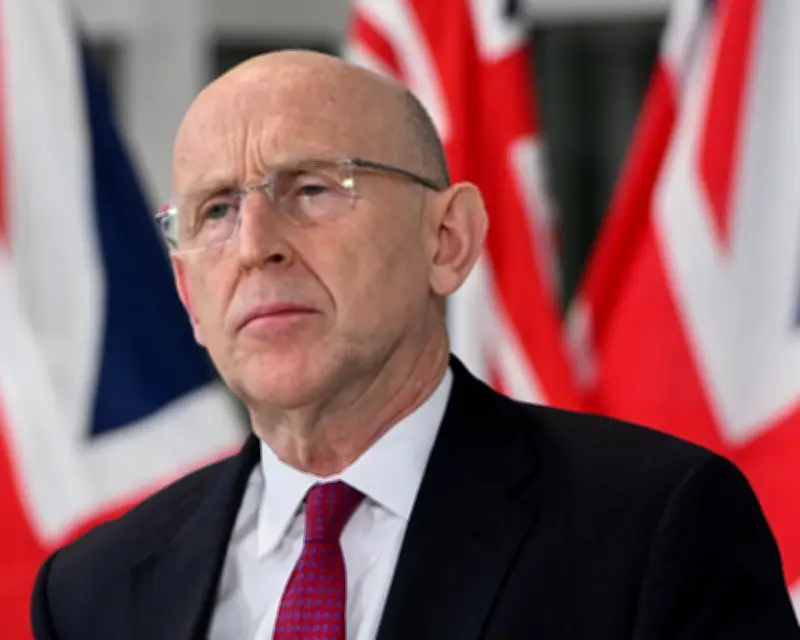
John Healey has been pragmatic enough to get on with the jobs given to him under leaders of various shades. Photograph: WPA/Getty Images
Analysis
John Healey’s departure is less of a surprise than it might seem. Despite his managerial veneer and quiet approach, the outgoing defence secretary is a highly political operator.
If there was one thing for which Downing Street could rely on with John Healey, it was avoiding unnecessary drama. Whether in parliament or on the morning broadcast round, his sober suits and general demeanour of a benign but firm headmaster spelled reassurance. But then just before 12.10pm on Wednesday, the drama arrived. In a letter posted to social media, Healey resigned as defence secretary, a job he had held – whether in government or its shadow equivalent – from the moment Keir Starmer became Labour leader.

This was, Healey set out, due to Starmer’s unwillingness or inability to overrule the Treasury and secure a sufficiently rapid increase in defence spending, something he said would make the UK less safe. “I wish you all continuing strength in the exceptional challenges you face as prime minister,” Healey ended, a line shot through with something close to menace.
Healey and his allies would accept that this constitutes drama. But they would push back strongly against the idea it was unnecessary. He has been very obviously committed to a brief now held for six years, and ructions over the delayed defence investment plan have been going on for months. Such a move is also less of a surprise than it might seem. Despite his managerial veneer and quiet approach, Healey is a highly political operator, one who has spent nearly 30 years in parliament and held frontbench jobs under every Labour leader from Tony Blair onwards.
“If we go into government, the one thing we’ve got to remember is to remain political,” Healey told the Guardian shortly before the 2024 election, recounting his previous experience of being in meetings with colleagues who “simply read out their departmental line rather than as government ministers with a sense of what we were trying to achieve”. Healey knew what he wanted to achieve – not just the promised 3.5% of GDP spent on defence by 2035, but at least 3% by 2030 – and he resigned rather than being forced to plan for the UK’s defence with less.
His tenure was not just about more resources, or at least not just more weaponry. Healey led a concerted push on the often-dilapidated state of forces housing, which resulted last year in a £9bn plan to overhaul it. This was formalised in the Armed Forces Act, passed this year, which also provided greater protections for military personnel who face incidents such as sexual assault or domestic abuse.
While broadly on the right of Labour, Healey has been pragmatic enough to get on with the jobs given to him under leaders of various shades, from first being made a junior education minister under Blair, to a brief spell as shadow health secretary for Ed Miliband. He even held the housing brief under Jeremy Corbyn, despite having nominated Owen Smith as a challenger to the then leader. Similarly, while Healey has used his time in the Starmer government to cultivate an image of appearing almost above the petty factionalism and infighting, his background is about as modern Labour as you could get.
Born and brought up in Yorkshire, Healey worked variously as a journalist, for disability charities, and then as campaigns director for the TUC, before entering parliament in the first Tony Blair landslide, aged 37. He has represented the same Yorkshire seat, about 20 miles from where he was born, ever since, although boundary adjustments have changed it from Wentworth to Wentworth and Dearne, and now Rawmarsh and Conisbrough.

If Starmer had come to forget the fundamentally political core of his defence secretary, he had an early warning of what might be to come in May, when Healey was one of four senior cabinet ministers to speak to the PM after disastrous local election results to discuss the possibility of Starmer making way for someone else. After the defence secretary’s resignation, this idea seems more likely than ever. Does Healey want to replace him? Seemingly not. He is 66, and allies say No 10 does not feature in his ambitions. But will he get a senior role in another government? Most likely. Expect to see Healey back on the morning airwaves at some point, once again radiating reassurance.