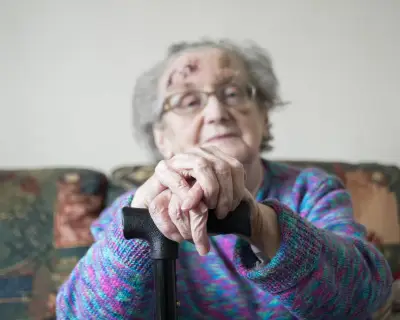
GPs in England are so "overloaded" that they cannot help older people who are at risk of falling, in what NHS bosses accept is an unacceptable failure of care, according to the House of Commons' public accounts committee.
The committee's report highlights that pressure on GPs' time has intensified due to the government's decision to give patients online access to their services. Falls are the most common cause of death from injury among over-65s, causing tens of thousands of hip fractures and costing the UK an estimated £4.4 billion annually.
Contractual obligations unmet
Family doctors in England are contractually required to identify, assess, and support people over 65 with moderate or severe frailty. However, "many GPs are not currently able to deliver on these requirements." During 2024/25, only 17% of those patients were assessed. Furthermore, only 18% of the 226,000 people diagnosed with severe frailty that year were assessed for their risk of falling, and only 16% underwent a medication review.

Root causes
The committee stated that "NHS England has overloaded GPs, who have limited capacity, with new and expanding priorities." It noted that NHS England prioritized improving patients' access and digital access to general practice, recognizing that pushing to improve one aspect of care inevitably causes consequences elsewhere, such as support for people with frailty.
NHS bosses who gave evidence admitted the situation was "not acceptable." Almost one in three local NHS areas assess fewer than 10% of over-65s for their risk of frailty and falling, while nine other areas assessed at least 90% of such patients, suggesting good performance is possible within existing resources.
Expert reactions
Prof Victoria Tzortziou Brown, president of the Royal College of GPs, said the report vindicated warnings that "prioritising online access to our services without equal focus on continuity and proactive care may have unintended consequences for other areas of care, and risks disadvantaging some of our most vulnerable patients." She added that while most GP practices try to offer older patients the time they need, this is increasingly challenging amid intense workloads and workforce pressures.
NHS England is exploring whether other health professionals, such as pharmacists, could take on some of the frailty-related work, including medication reviews for frail older people. Both polypharmacy (taking several drugs simultaneously) and certain medications can increase fall risk. Older people with poor balance, weak muscles, impaired sight, and certain medical conditions are also at greater risk.
Caroline Abrahams, charity director at Age UK, noted that nearly 10 years have passed since identification of frailty was first made a priority in GPs' contracts. "Yet we are still very far from it translating into improvements for older people." She emphasized that older people living with frailty are at much higher risk of deterioration following minor health shocks, and a serious fall can be devastating, often increasing pressure on an already overstretched NHS.
NHS England has been approached for comment.