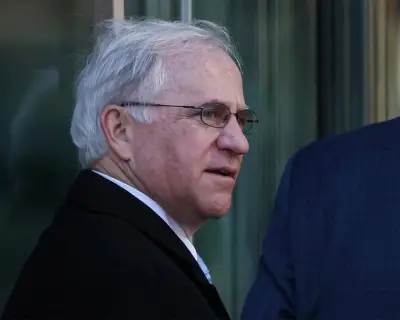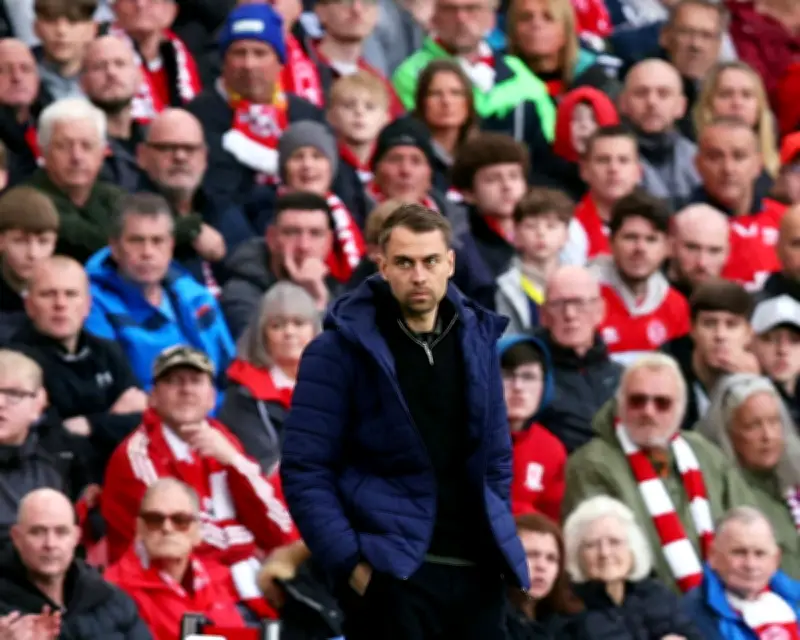
Tonda Eckert, the head coach of Southampton, was the driving force behind the club's spying on opponents, according to newly released documents. The documents also reveal that an intern assigned to record rival training sessions was told that the "manager loved it."
Expulsion and Investigation
Southampton were expelled from the Championship playoffs last month after being found guilty of spying on Oxford United, Ipswich Town, and Middlesbrough. Eckert is currently under investigation by the Football Association. The panel that rejected the club's appeal against their expulsion has now published its written reasons, which strongly suggest that Eckert was central to the operation.
First Instance of Spying
According to the English Football League arbitration panel, the first spying incident occurred before Southampton's Boxing Day match against Oxford United. The panel notes that "Mr Eckert asked if someone could go to observe the Oxford training session to see how they were lining up and whether a particular player was fit to play," referring to Cameron Brannagan. Eckert later told a disciplinary commission that he was surprised to learn such actions were against the rules.

Eckert made his suggestion during a meeting of Southampton's analysis team. An analyst then identified an intern to carry out the task. In written evidence, the intern stated that he "didn't really have an option" and "wasn't provided an opportunity to say no."
The intern observed two Oxford training sessions and sent back "updates, photographs and videos" concerning tactical shape and player selection. Eckert claimed he did not watch the footage, but he did have a phone conversation with the intern after the sessions. A member of the analysis team messaged the intern on WhatsApp: "Try and make out as much as you can please. You legend. Manager loved it."
Further Spying Incidents
In April, the intern was asked to spy on Ipswich Town, who were training at Eastleigh's ground ahead of a match against Southampton. The intern was told that "the boss is adamant that someone needs to go," but he refused. An academy analyst was then sent instead and recorded footage. Eckert told the commission he was made aware of the footage two hours before kick-off and thought it had been recorded by Eastleigh's CCTV.
The third incident involved Middlesbrough. The original intern was asked to undertake the assignment and agreed, later arguing that he felt his job would be at risk if he refused. According to the panel, Eckert criticised the intern for not flying to Middlesbrough immediately upon accepting the task.
The intern's visit became notorious after he was caught filming a training session. He waited for Eckert's instruction to return home but left when no instruction came, learning of the accusations against the club on the train home. Eckert told the commission: "The videos were of poor quality, taken from far distance and so, they were of no benefit to him."
Appeal Rejected
Southampton's appeal against their removal from the playoffs and a four-point deduction for next season's Championship was rejected. The panel found that the club gained a sporting advantage from their spying, noting that "sporting advantage is different from sporting success." The panel also cited precedents for applying stringent sporting sanctions in such cases. The FA's investigation continues.
Owner's Support for Eckert
Southampton's owner, Dragan Solak, has stated that he has no intention of sacking Eckert. "I think he deserves a second chance and I would give it to him," Solak told BBC Sport. "My full support would be behind him actually, because I think he's a super-talented manager." Solak said he believed Eckert "didn't know that it was the rule that he was breaking" and told him: "The next time I see you in July, if you don't know the EFL book of rules by heart, you can't work for me."

Club's Response
Southampton accepted the arbitration panel's findings, stating that the club had made "an error of judgement for which we take responsibility." In a statement, the club also raised concerns about the disciplinary panel's composition, noting "historic and indirect connections of two panel members to Middlesbrough." The club said: "While those connections do not by themselves prove bias, they plainly raise legitimate questions about consistency, perception and the standards of independence expected in proceedings of this magnitude."
The club also expressed concern about the weight placed on assertions that junior staff were pressured into involvement, when some allegations appeared unsupported by direct evidence. However, they acknowledged that "junior employees should never have been placed in a position where they felt under pressure, and the club accepts responsibility for that failure of leadership and oversight."