Andy Burnham, the Mayor of Greater Manchester, has unveiled a sweeping blueprint for national renewal that calls for a radical transfer of power from Westminster to England's regions. The plan, titled "The Burnham Blueprint," proposes giving combined authorities and metro mayors control over key policy areas including taxation, transport, housing, and skills training.
Key Proposals in the Blueprint
The blueprint outlines a new model of English devolution, where regions would gain the ability to set their own business rates, retain a share of VAT revenues, and borrow more flexibly for infrastructure projects. Burnham argues that centralised control has stifled growth outside London and the South East, with the North of England particularly left behind. According to the document, regional GDP per capita in the North is 20% lower than the national average, a gap that has persisted for decades.
Devolution of Tax and Spending Powers
Under the proposals, combined authorities would have the power to introduce a tourism levy, increase council tax bands, and create local land taxes to fund housing development. The blueprint also calls for the devolution of the adult education budget and the integration of health and social care budgets at the regional level. "For too long, decisions about our communities have been made in Whitehall, often without understanding local needs," Burnham said. "This blueprint is about giving people the power to shape their own futures."

Transport and Infrastructure Overhaul
A central element of the plan is the creation of a National Infrastructure Bank with regional branches, allowing local leaders to prioritise projects like rail electrification, bus franchising, and road improvements. Burnham specifically highlights the need for a London-style transport network in the North, including the full delivery of Northern Powerhouse Rail. The blueprint estimates that such investment could boost northern productivity by 15% over a decade, adding £100 billion to the UK economy.
Housing and Planning Reforms
To tackle the housing crisis, the blueprint proposes giving metro mayors control over planning permissions for large-scale developments, along with powers to compulsory purchase land at existing use value. It also calls for a new "Rent to Own" model where tenants can build equity in their homes. Burnham argues that current planning laws favour developers over communities, leading to a shortage of affordable homes. "We need to build the right homes in the right places, and that requires local control," he said.
Reaction from Political Leaders
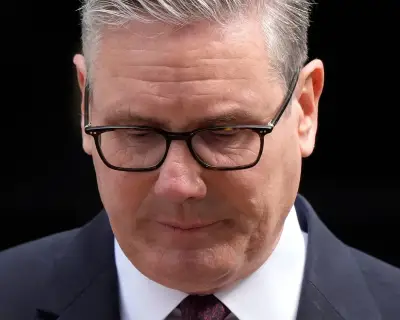
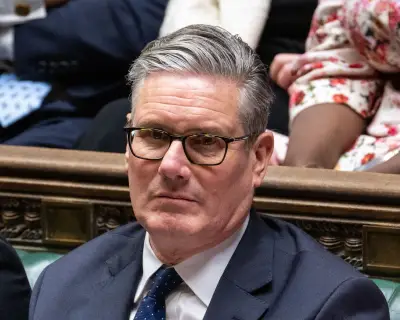
The blueprint has drawn mixed reactions. Prime Minister Sir Keir Starmer welcomed the emphasis on devolution but stopped short of endorsing all proposals. "We are committed to empowering regions, but we must ensure fiscal responsibility," a Downing Street spokesperson said. Shadow communities secretary Kemi Badenoch criticised the plan as a "power grab" that would lead to higher taxes and more bureaucracy. "This is not about renewal; it's about more state control," she said.
Support from Business and Civic Leaders
Business groups have largely supported the proposals. The Confederation of British Industry (CBI) said the blueprint "recognises the need to unlock regional potential" and called for cross-party consensus. Civic leaders in Liverpool, Leeds, and Sheffield have also expressed interest, with some suggesting a similar model could be adopted across the North. The blueprint includes a proposal for a "Northern Assembly" to coordinate cross-regional projects.
Next Steps and Implementation
Burnham plans to launch a public consultation this autumn, with a White Paper expected next year if the government backs the plan. He acknowledges that implementation would require primary legislation and changes to the fiscal framework. "This is a long-term vision, but we need to start now," he said. The blueprint also calls for a constitutional convention to rebalance the UK's political settlement, including reform of the House of Lords and a written constitution.