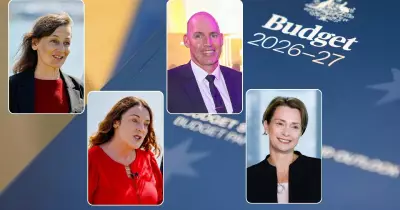
The federal budget has been described as the worst since 1993, following a series of complex tax changes that have left the nation's finances in a precarious state. Economists and political analysts have raised concerns over the government's fiscal management, pointing to a combination of sluggish economic growth, rising debt levels, and structural deficits.
Key Factors Behind the Decline
Several factors have contributed to this grim assessment. The government's recent tax reforms, which were intended to simplify the system and boost revenue, have instead created confusion and uncertainty among businesses and individuals. Meanwhile, spending on social services and infrastructure has continued to climb, outpacing revenue growth.
Impact on Households and Businesses
Australian households are feeling the pinch, with cost-of-living pressures mounting. The budget's deterioration has also raised fears of further cuts to essential services or tax increases in the future. Business confidence has taken a hit, with many companies delaying investment decisions due to the uncertain policy environment.

- Economic Growth: GDP growth has slowed to 1.5%, well below the long-term average.
- Debt Levels: Net government debt is projected to reach 40% of GDP by 2028.
- Unemployment: The jobless rate has edged up to 5.2%, with youth unemployment particularly high.
Comparison to 1993
The last time the budget was in such poor shape was in 1993, when the country was emerging from a deep recession. At that time, high interest rates and a property market crash had devastated the economy. While the current situation is different, the scale of the fiscal challenge is similar.
Government Response
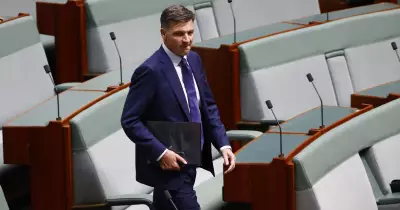
The Treasurer has defended the budget, arguing that the tax changes are necessary to fund essential services and reduce inequality. However, critics say the government has failed to deliver a credible plan for returning to surplus. The opposition has called for an independent review of the budget's sustainability.
In the coming months, all eyes will be on the government's mid-year economic and fiscal outlook, which will provide an updated snapshot of the nation's finances. Without significant reforms, experts warn that Australia could face a prolonged period of fiscal weakness.