Another Leadership Shake-Up in Westminster
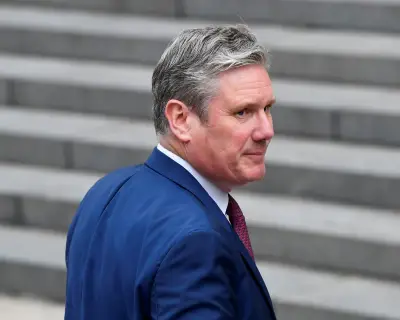
The United Kingdom witnessed yet another prime ministerial departure this week, as the embattled leader resigned following a series of political missteps and internal party pressures. The resignation, while anticipated by many political insiders, still sent shockwaves through Westminster and the broader public, marking the third change in the country's top office in under two years.
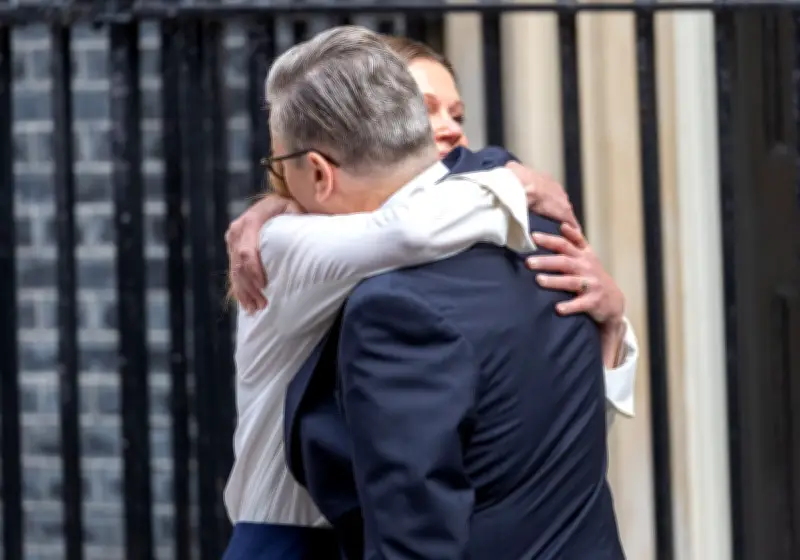
According to sources close to Downing Street, the outgoing prime minister cited a need for "fresh leadership" to tackle the nation's mounting challenges, including a stagnating economy and ongoing public service crises. The resignation speech, delivered in a subdued tone, was described by observers as "surprisingly moving," with the leader acknowledging personal failings while expressing gratitude for the opportunity to serve.
The Week's Events Unfold
The week began with mounting speculation as several cabinet ministers publicly voiced dissatisfaction with the prime minister's handling of key policy areas. By midweek, a formal no-confidence vote was called by the party's backbench committee, forcing the leader's hand. The vote, held behind closed doors, resulted in a narrow margin against the incumbent, prompting the resignation.

In a statement released shortly after the vote, the prime minister said: "I have always put the country first, and it is clear that a change in leadership is now in the national interest. I wish my successor the very best in guiding our great nation forward." The statement, while brief, was noted for its lack of bitterness, a departure from the often acrimonious tone of such departures.
Impact on Policy and Public Sentiment
The resignation has immediate implications for several key legislative agendas, including the government's flagship economic plan and ongoing trade negotiations with the European Union. Political analysts suggest that the change could either stall progress or provide a fresh impetus, depending on the new leader's priorities.
Public reaction has been mixed, with some expressing fatigue over the revolving door of leadership. A recent poll by YouGov indicated that 62% of respondents believe the political turmoil is damaging the country's international reputation. However, there is also a sense of cautious optimism among those who hope for a more stable administration.
What Comes Next
The race for the next prime minister is already underway, with several prominent figures from the governing party positioning themselves as candidates. The contest is expected to be intense, with debates over economic strategy, public service reform, and the party's future direction taking center stage. The new leader is expected to be announced within the next two weeks, following a series of internal votes.
As the nation watches, the political landscape remains fluid. The outgoing prime minister's surprisingly moving farewell has, for now, tempered some of the criticism, but the underlying challenges remain formidable. The coming weeks will determine whether this change marks a new chapter or merely another episode in a cycle of instability.