Prime Minister Anthony Albanese Embarks on Critical Asian Fuel Diplomacy Mission
Prime Minister Anthony Albanese is set to fly to Asia once again this week in a determined effort to bolster Australia's fuel supply security. This crucial diplomatic mission will see him visit Brunei and Malaysia, following his recent stop in Singapore last week. The prime minister's travels come at a time of significant global energy uncertainty and domestic pressure regarding Australia's fuel resilience.
Albanese Defends Fuel Strategy Amid Sunrise Grilling
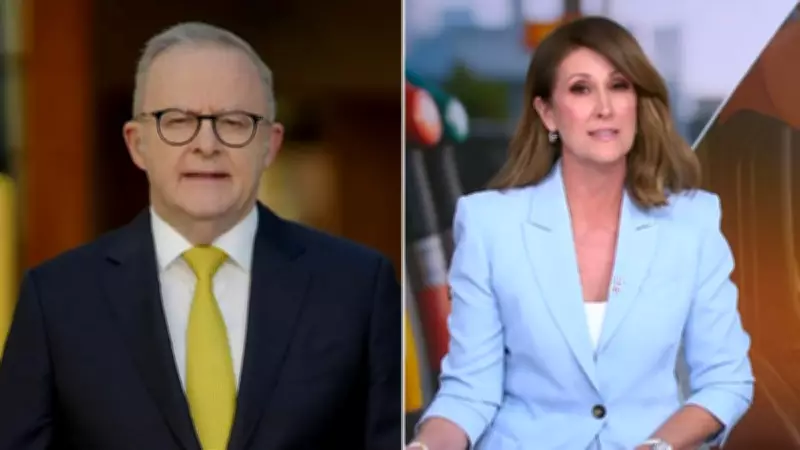
During an appearance on Sunrise, Albanese faced pointed questioning from host Nat Barr regarding Australia's fuel self-sustainability and the government's new public information campaign. The advertising initiative, which carries the message "every little bit helps," has attracted scrutiny for its $20 million price tag. Despite the criticism, Albanese stood firm in defending both his international diplomacy efforts and the domestic awareness campaign.
Australia has currently secured fuel supplies that are projected to last until late May. However, Albanese revealed on Monday's Sunrise program that Australia holds a privileged position as first in line for additional fuel shipments from Asian suppliers. This advantageous standing results from the strong diplomatic relationships that Australia has cultivated with regional partners, particularly Singapore.

Global Uncertainties and Regional Diplomacy
The prime minister acknowledged the precarious nature of the current global situation, especially following the recent breakdown of peace negotiations in the Middle East. Albanese emphasized Australia's desire to see those talks resume promptly, an end to regional conflicts, and the reopening of the Strait of Hormuz with guaranteed freedom of navigation. These developments directly impact global fuel distribution and pricing.
Albanese provided specific details about his Singapore discussions, noting that Singaporean officials demonstrated how they have successfully replaced Middle Eastern fuel supplies with alternative stocks from Africa and the Americas. This diversification strategy has given Singapore confidence that they will not need to impose export controls, potentially benefiting Australia's supply chain.
Government Ministers Support Diplomatic Approach
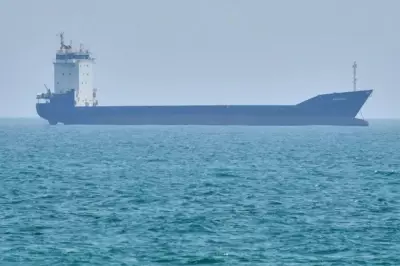
Social Services Minister Tanya Plibersek strongly defended the government's comprehensive approach to fuel security. She revealed that Australia currently maintains approximately one month's worth of diesel, jet fuel, and petrol reserves, with an additional 57 fuel tankers en route to Australian ports. Plibersek characterized the prime minister's diplomatic missions as "very wise precautions" that reinforce Australia's interdependence with Asian neighbors for fuel, just as those nations rely on Australia for natural gas exports.
Plibersek further emphasized the critical importance of achieving and maintaining a ceasefire in the Middle East, noting that the ongoing conflict has created significant disruptions to global fuel security and other essential commodities like fertilizer. The interconnected nature of global supply chains means regional conflicts have far-reaching consequences for nations like Australia.
Questioning Australia's Fuel Self-Sufficiency
Sunrise host Nat Barr pressed Albanese on Australia's substantial reliance on imported fuel despite possessing abundant natural resources. Barr questioned why Australia isn't more self-sufficient and whether the government should focus more on domestic production investments in areas like the Taroom trough or the Great Australian Bight.
Albanese responded by outlining the government's Future Made in Australia agenda, which includes exploring onshore projects to reduce external fuel dependence. Regarding the Great Australian Bight, the prime minister clarified that previous development proposals "didn't stack up commercially" despite receiving licensing approval under the former government. He directly contradicted suggestions that environmental concerns blocked development, stating definitively that environmental factors did not prevent the project's advancement.

The prime minister highlighted that four of Australia's six fuel refineries closed during the previous government's tenure and noted that fuel reserves had been stored in Texas before being repatriated. Albanese expressed relief that these reserves were brought back onshore, revealing that when recent conflicts began, Australia's fuel reserves were at their highest levels in fifteen years.
Defending the $20 Million Advertising Campaign
The government has faced considerable criticism for allocating $20 million to an advertising campaign launching today, which encourages Australians to reduce driving and practice fuel conservation. One Nation MP Barnaby Joyce questioned the government's confidence in fuel supplies, sarcastically remarking that "we wouldn't be having a stupid ad telling people not to use fuel if we were completely confident we had enough of it here."
Albanese defended the campaign as necessary to counter online misinformation, maintain public confidence, and prevent panic buying behaviors. He explained that the government is implementing a four-point plan, with Australia currently at "level two," which focuses on keeping the economy moving while encouraging sensible fuel conservation practices.
Barr challenged the advertising expenditure, suggesting that appearing on Sunrise would have delivered the same message without the multimillion-dollar cost. Albanese countered that a comprehensive public information campaign reaching all media networks was essential to avoid implementing more "heavy-handed" COVID-style measures that could disrupt daily life and economic activity.
Comprehensive Fuel Security Measures
Minister Plibersek provided additional context for the advertising expenditure, comparing it favorably to the $340 million the previous Liberal government spent on a tax reform campaign. She detailed at least sixteen specific measures the government has implemented to address fuel security, including cutting the fuel excise in half, removing the heavy vehicle user charge, strategically releasing reserve fuel stocks, and empowering the ACCC with enhanced authority to combat price gouging practices.
Albanese acknowledged his government's fuel excise reduction of 32 cents per liter while recognizing that Australia remains vulnerable to what he described as "the biggest global spike that has ever happened in history." The prime minister's Asian diplomatic mission represents a critical component of Australia's multifaceted strategy to navigate these unprecedented global energy challenges while maintaining domestic fuel security and economic stability.