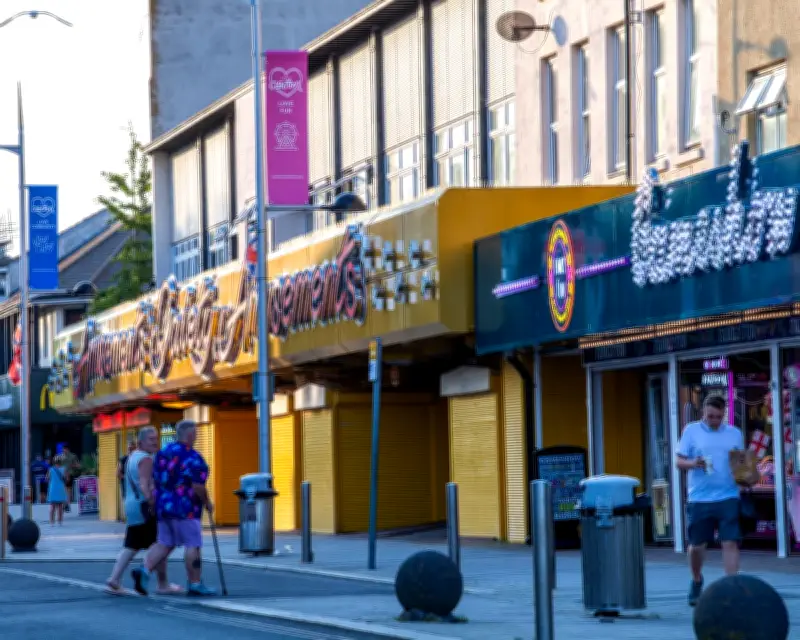
The Clacton parliamentary constituency will head to the polls on August 28 for a byelection triggered by Nigel Farage's resignation as MP, the government confirmed on Wednesday. The contest is expected to be a major test for Reform UK, the party Farage founded and led until his surprise exit from the House of Commons last week.
Farage's Resignation Shakes Reform UK
Nigel Farage, who won the Clacton seat in the 2024 general election with a majority of 8,405, resigned on July 1, citing a desire to focus on international political campaigning. His departure leaves Reform UK without its most prominent figure in Parliament and raises questions about the party's ability to hold the seat. The byelection will be held just weeks before the party's annual conference, adding pressure on interim leader Richard Tice to retain the constituency.
Key Candidates and Campaign Issues
Reform UK has selected local businessman and former Conservative councillor Mark Cole as its candidate. Cole, a vocal supporter of Brexit, has pledged to continue Farage's agenda of cutting immigration and opposing net-zero policies. The Conservative Party, which held Clacton until 2024, has chosen Sarah Dines, a former Home Office minister, as its candidate. Labour has put forward Peter Owen, a trade union official, while the Liberal Democrats are running Helen Edwards, a county councillor. The Green Party has selected environmental activist Laura Smith.

Immigration and the cost of living are expected to dominate the campaign. A recent opinion poll by YouGov showed Reform UK leading in Clacton with 38% support, followed by the Conservatives at 29%, Labour at 18%, and the Liberal Democrats at 8%. However, the same poll indicated that 22% of voters were undecided, suggesting the race could tighten.
Political Implications Beyond Clacton
The byelection outcome could have national repercussions. A Reform UK loss would weaken the party's momentum ahead of the next general election, while a win would solidify its position as a major force in British politics. Political analyst Professor Jane Smith of the University of Essex said, 'Farage's resignation is a gamble for Reform. If they hold Clacton, it proves the party can survive without him. If they lose, it could trigger internal turmoil and a leadership challenge.'
The government has confirmed that the byelection will cost approximately £1.2 million to administer, according to the Electoral Commission. Voter registration deadlines are set for August 7, with postal vote applications due by August 14.
Historical Context and Turnout Expectations
Clacton first elected a UKIP MP in 2014 when Douglas Carswell defected from the Conservatives and won the subsequent byelection. Farage's victory in 2024 marked the first time Reform UK held a seat in the House of Commons. Turnout in the 2024 general election was 64.3%, but byelections typically see lower participation. The government expects a turnout of around 45-50% based on historical averages.