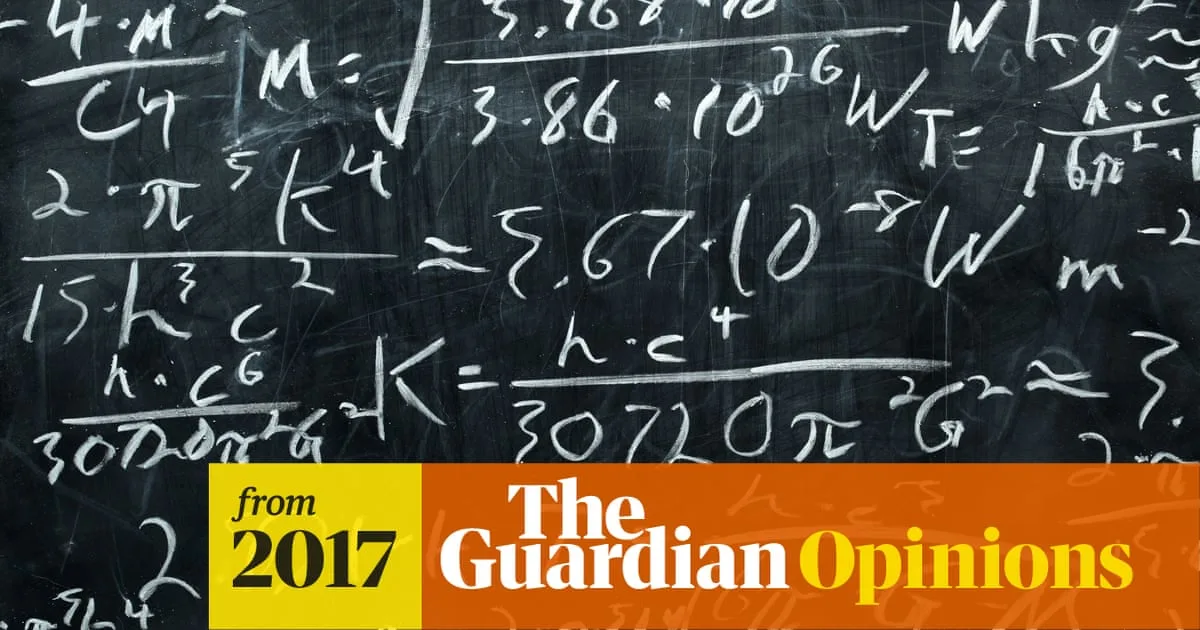
A growing crisis of trust is threatening the relationship between scientists and the public, according to experts who warn that the increasing complexity of science is making it harder to communicate effectively. While science has achieved remarkable advancements in fields like genetics and electronics, the foundations connecting it to society are weakening.
Modern science is more accessible than ever, with many papers freely available online and researchers more visible. However, the honest explanations for many scientific phenomena are now too complex for simple summaries. For example, explaining why the winter of 2014 was exceptionally stormy requires more than a single sentence or paragraph, making it difficult to convey the full picture.
This complexity poses a challenge: as society depends more on intricate systems, trust in those systems becomes essential. Yet, in the age of Google, people often encounter isolated facts without understanding the broader context. The statement “Britain has had enough of experts” reflects a deeper issue—perhaps people have had enough of complexity itself. Simple explanations are appealing but can be misleading, especially for topics like genetics, climate change, and nanotechnology.

To address this, scientists need to rebuild trust through transparency and open dialogue. This involves not only explaining scientific principles in everyday contexts but also listening to and respecting public concerns. By engaging in conversations with neighbors, online communities, and even skeptics, researchers can foster a more trusting relationship. The goal is to make science human and accessible, proving that it is about everyone’s world and that critical thinking is a shared tool.