UK Defence Official Dismisses Threat from Chinese Ship Near Australian Naval Base
Stephen Lovegrove, the United Kingdom's National Security Adviser, has firmly rejected suggestions that a Chinese cargo vessel operating near Garden Island in Western Australia posed any threat to a UK submarine. This statement comes amid heightened geopolitical tensions surrounding the AUKUS security pact, which involves Australia, the UK, and the United States.
Context of the Incident
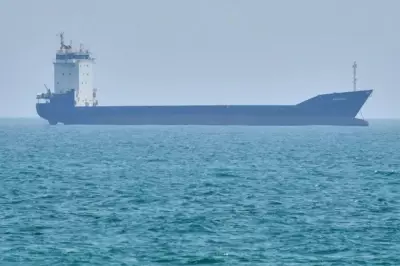
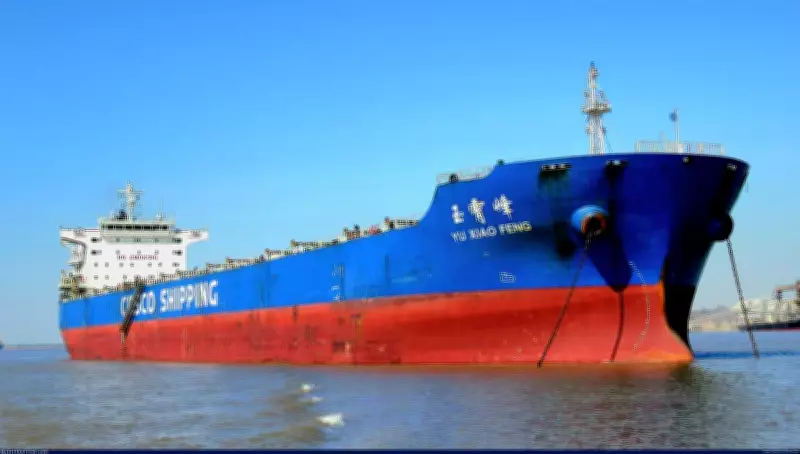
The Chinese cargo ship was reportedly observed in proximity to Garden Island, a key naval base for the Royal Australian Navy located near Perth. This base is of strategic importance, particularly as it hosts facilities related to the AUKUS agreement, which aims to enhance defence cooperation and includes plans for nuclear-powered submarines. Lovegrove addressed concerns during a recent briefing, emphasizing that there was no evidence to indicate the ship's activities were hostile or posed a security risk.
Lovegrove's Statement and Implications
In his remarks, Lovegrove stated, "We have assessed the situation thoroughly and found no credible threat from the vessel in question." He highlighted that such maritime movements are common in international waters and should not be automatically interpreted as aggressive. This dismissal seeks to downplay potential escalations, as the AUKUS pact has already drawn criticism from China, which views it as a destabilizing force in the region. Lovegrove's comments aim to reassure allies and maintain diplomatic stability, while acknowledging the need for vigilance in monitoring foreign vessels.

Broader AUKUS and Regional Security Concerns
The incident underscores the ongoing sensitivities in the Indo-Pacific region, where China's expanding naval presence has raised alarms among Western nations. The AUKUS agreement, announced in 2021, focuses on sharing advanced military technology, including submarines, to counter perceived threats. Lovegrove's rejection of the threat narrative may reflect a strategic effort to avoid unnecessary provocations, even as Australia and its partners continue to bolster their defence capabilities. Experts note that while such dismissals can ease tensions, they also highlight the complex balance between transparency and security in modern geopolitics.
Overall, Lovegrove's stance reinforces a cautious approach to interpreting maritime activities, emphasizing that not all movements by foreign ships constitute a direct threat, despite the backdrop of AUKUS-related anxieties.