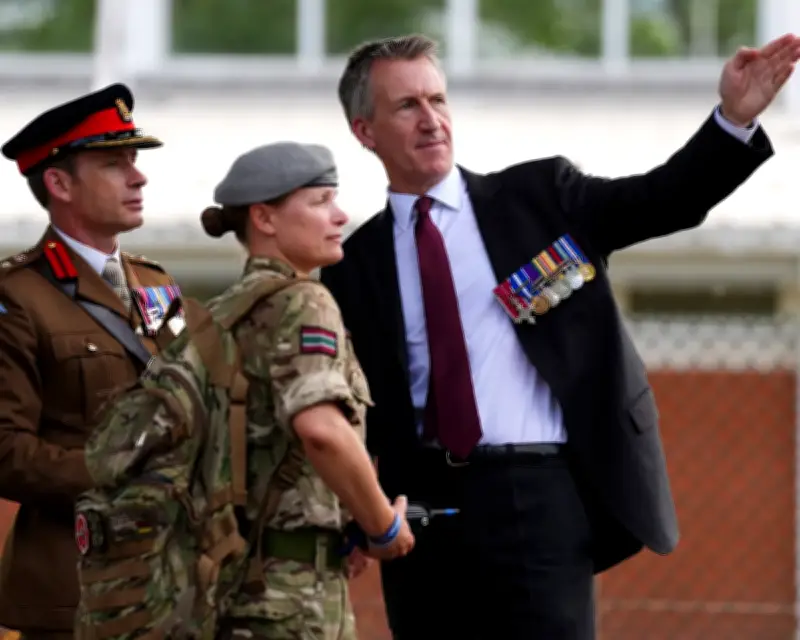
Labour leader Keir Starmer has unveiled a sweeping defence investment plan, pledging to increase UK military spending to 2.5% of GDP by 2030, a move aimed at bolstering national security amid rising global threats. The plan, announced during a speech in London, prioritises modernisation of the armed forces, enhanced cybersecurity, and stronger support for veterans.
Key Commitments and Timeline
The commitment represents a significant increase from the current NATO target of 2% of GDP, which the UK currently meets. Starmer stated that the additional funding would be sourced from a combination of efficiency savings within the Ministry of Defence and a review of non-priority spending. The plan includes a £10 billion investment in new technologies, including artificial intelligence and drone warfare capabilities.
“This is a generational investment in our security,” Starmer said. “We cannot afford to be complacent. The threats we face are evolving, and our defences must evolve with them.”

Modernisation of Armed Forces
A central component of the plan is the modernisation of the British Army, Royal Navy, and Royal Air Force. The army will see the introduction of new armoured vehicles and enhanced cyber warfare units. The navy will receive funding for two new frigates, while the RAF will accelerate the procurement of next-generation fighter jets. Starmer also promised to address the recruitment and retention crisis, with a focus on improving pay and conditions for service personnel.
According to Labour's defence spokesperson, Dan Jarvis, the plan is fully costed and will not require additional borrowing. “We have identified savings from outdated programmes and a more efficient procurement process,” Jarvis explained. “This is about spending smarter, not just spending more.”
Cybersecurity and Emerging Threats
The plan places a heavy emphasis on cybersecurity, with a dedicated £2 billion fund to protect critical national infrastructure from state-sponsored attacks. A new National Cyber Force will be established, operating alongside the existing National Cyber Security Centre. Starmer highlighted the growing threat from Russia and China, noting that the UK must “lead the way in digital defence.”
“Our adversaries are using every tool at their disposal, from disinformation to cyberattacks,” Starmer said. “We must match their ambition with our own.”
Support for Veterans and Defence Industry
The investment plan also includes measures to improve support for veterans, including a guaranteed job scheme and increased mental health services. Additionally, Starmer pledged to strengthen the UK’s defence industrial base, with a focus on domestic manufacturing and supply chain resilience. This includes a £500 million fund to support small and medium-sized enterprises in the defence sector.
Andy Burnham, the Mayor of Greater Manchester, welcomed the plan, calling it a “vital step” for both national security and regional economies. “Defence spending creates jobs and drives innovation,” Burnham said. “This plan recognises that security and prosperity go hand in hand.”
Reactions and Political Context
The announcement has drawn mixed reactions. The Conservative government criticised the plan as unfunded, with a Treasury spokesperson arguing that Labour’s spending commitments would lead to higher taxes. However, Labour insists the plan is fully costed, with savings identified from reducing consultancy spending and scrapping the controversial Trident replacement programme.
Defence experts have broadly welcomed the focus on modernisation, though some have questioned the feasibility of the timeline. Professor Michael Clarke, a defence analyst, noted that “reaching 2.5% of GDP by 2030 is ambitious but achievable, provided the government makes it a priority.”
Impact on NATO and International Relations
The UK’s increased spending commitment is likely to be welcomed by NATO allies, who have long urged members to meet the 2% target. Starmer’s plan goes further, aligning with the alliance’s new strategic concept that emphasises collective defence and burden-sharing. The Labour leader also reaffirmed the UK’s commitment to supporting Ukraine, with a pledge to maintain military aid at current levels until 2025.

“Our security is indivisible from that of our allies,” Starmer stated. “This investment sends a clear message that the UK will remain a leading player on the world stage.”