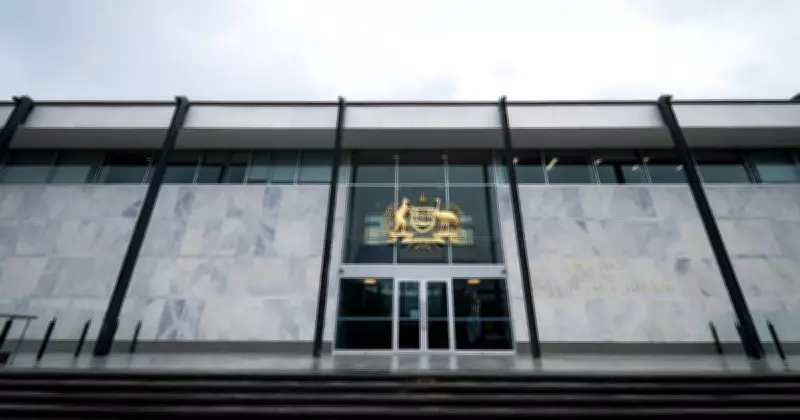
Parents of Child Sexual Abuse Victims Share Trauma in ACT Supreme Court
In a deeply emotional and significant legal proceeding, parents of children who have suffered sexual abuse have taken the stand in the ACT Supreme Court to share their personal stories of trauma. This testimony underscores the often-overlooked impact of such crimes on the families of victims, revealing the profound and lasting effects that extend far beyond the immediate survivor.
Secondary Victims: The Unseen Suffering of Parents
The court heard detailed accounts from parents who described their experiences as secondary victims of child sexual abuse. Many spoke of feelings of guilt, helplessness, and overwhelming grief, as they struggled to support their children while coping with their own emotional turmoil. One parent recounted how the discovery of the abuse shattered their family's sense of safety and trust, leading to ongoing mental health challenges and strained relationships.
These testimonies highlight a critical aspect of abuse cases: the ripple effect that trauma has on entire families, not just the direct victims. Parents reported symptoms such as anxiety, depression, and post-traumatic stress disorder, often exacerbated by the legal and social complexities surrounding the abuse.

Legal and Social Implications of Parental Trauma
The ACT Supreme Court proceedings have brought attention to the need for greater recognition of secondary victims in the justice system. Legal experts note that while the primary focus remains on the child victims, the suffering of parents can influence sentencing and support services. By sharing their stories, these parents aim to advocate for more comprehensive resources for families affected by abuse, including counseling and financial assistance.
This case also raises broader questions about community awareness and prevention. Advocates argue that understanding the full scope of trauma—including its impact on parents—can lead to better policies and interventions to protect children and support families in crisis.
Moving Forward: Support and Advocacy for Affected Families
As the trial continues, the testimonies serve as a powerful reminder of the long-term consequences of child sexual abuse. Parents emphasized the importance of ongoing support networks and professional help to navigate the healing process. They called for increased public education on the signs of abuse and the resources available for secondary victims.
- Enhanced access to mental health services for families.
- Legal reforms to acknowledge secondary victim trauma in court proceedings.
- Community programs to reduce stigma and promote recovery.
In conclusion, the ACT Supreme Court hearing has provided a platform for parents to voice their pain and resilience, shedding light on the multifaceted nature of trauma in child sexual abuse cases. Their courage in sharing these experiences may pave the way for more empathetic and effective responses to such crimes in the future.