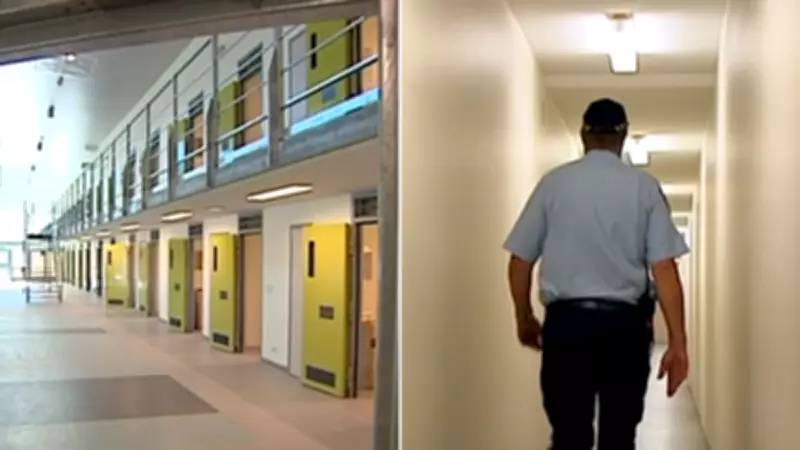
Australia's Prison Reoffending Crisis: Half of Ex-Inmates Return Within Two Years
Alarming new data from a Sunrise investigation has revealed that one in two Australians released from prison end up back behind bars within just two years. This shocking statistic emerges as the national inmate population reaches an eight-year high, with prison costs skyrocketing to a staggering $7.3 billion annually.
Housing Insecurity and Systemic Issues Fuel Reoffending
Criminologist and CEO of Project Herself, Tahlia Isaac, who has personal experience with incarceration, highlighted on Sunrise that one in three women is released from prison with nowhere to live. This puts them at an extreme disadvantage and significantly raises the chances of reoffending. "People often enter from extreme disadvantage, and that includes poverty, housing insecurity, mental health challenges, addiction issues," Isaac explained. "When they are released from prison, they’re often released back into the same circumstances. So they haven’t had an opportunity to really look at or change any circumstances."
Debate Over Crime Rates and Sentencing Policies
Some state governments, including Queensland, have claimed that crime rates are decreasing due to tougher sentencing laws. However, Isaac argued against this perspective, stating that the data is being "misconstrued." She noted, "Crime rates overall as a whole have been trending downwards for some time. While they may say crime rates are down, we are seeing people re-offend. And that doesn’t make anyone safer." Isaac emphasized that prisons are failing to rehabilitate individuals or enhance community safety, with victims often overlooked in the process.

Organizations Leading Change Through Peer Support
Project Herself, a lived experience-led organization run by formerly incarcerated women, supports women in prison through release planning and mentorship programs. Backed by the Westpac Scholars Trust and other groups like 16 Yards, it aims to develop peer-led solutions to tackle over-incarceration and high reoffending rates. These initiatives focus on addressing root causes such as housing and mental health to break the cycle of reoffending.
The findings underscore a critical need for reform in Australia's criminal justice system, as current approaches are not effectively reducing reoffending or improving safety for communities.