Why Retirement Feels Harder Than It Should for Many Australians
Retirement is often portrayed as a golden period of relaxation and freedom, but for many Australians, the reality can feel surprisingly difficult. Despite careful planning, numerous individuals encounter unexpected challenges that make this life stage harder than anticipated. Understanding the key reasons behind this struggle is crucial for navigating retirement more smoothly and ensuring a fulfilling post-work life.
Financial Pressures and Inadequate Planning
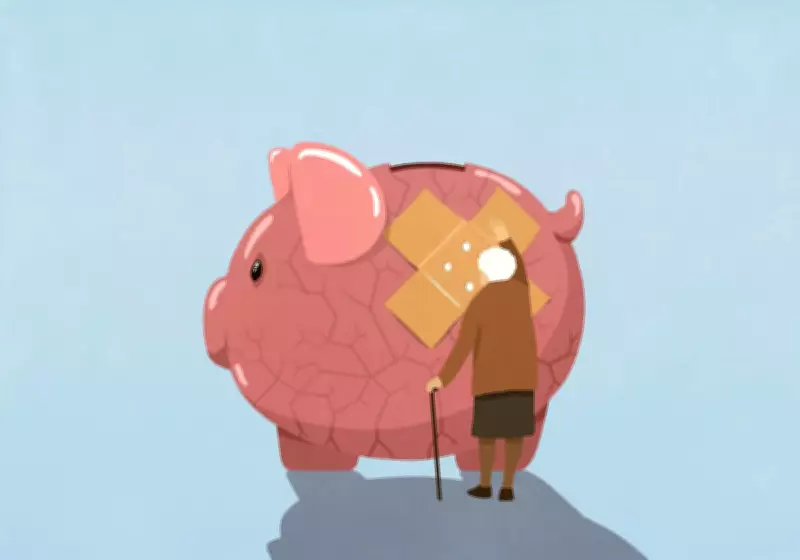
One of the primary reasons retirement feels harder is financial strain. Many people underestimate the costs associated with retirement, leading to budget shortfalls that cause stress and anxiety. Factors such as rising living expenses, healthcare costs, and unexpected emergencies can quickly deplete savings. In Australia, where the cost of living continues to increase, retirees often find their superannuation or pension funds insufficient to maintain their desired lifestyle. To address this, it is essential to engage in thorough financial planning well before retirement. Consulting with a financial advisor, diversifying investments, and creating a realistic budget can help mitigate these pressures and provide greater financial security.
Social Isolation and Loss of Community
Another significant challenge is social isolation, which can lead to feelings of loneliness and depression. Retirement often means leaving behind the daily interactions and social networks provided by the workplace, resulting in a sudden loss of community. This transition can be particularly tough for those who derived a sense of identity and connection from their jobs. To combat this, retirees should actively seek out new social opportunities. Joining clubs, volunteering, participating in community events, or maintaining regular contact with friends and family can help rebuild a supportive network and enhance emotional well-being.

Lack of Purpose and Direction
A third reason retirement feels harder is the absence of a clear purpose or direction. After decades of structured work life, the sudden freedom can leave individuals feeling aimless or unfulfilled. Without the routine and goals provided by a career, it is easy to experience a sense of emptiness. To overcome this, it is important to explore new interests and set personal goals. Pursuing hobbies, learning new skills, engaging in part-time work, or dedicating time to causes one is passionate about can provide a renewed sense of purpose and make retirement more rewarding.
Practical Steps to Ease the Retirement Transition
Addressing these challenges requires proactive measures. Firstly, financial preparedness is key: start saving early, review your superannuation regularly, and consider downsizing if necessary. Secondly, social engagement should be prioritized: make an effort to stay connected and build new relationships. Thirdly, finding purpose through activities that bring joy and fulfillment can transform retirement into a positive experience. By acknowledging these issues and taking actionable steps, Australians can better navigate the complexities of retirement and enjoy this chapter of life with greater ease and satisfaction.