R U OK? Director Graeme Cowan Opens Up About Burnout and Recovery
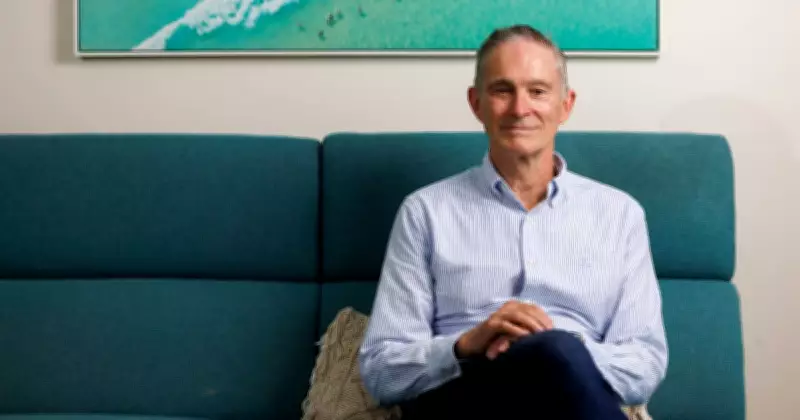
Graeme Cowan, a prominent director at the mental health organisation R U OK?, has publicly shared his personal journey through burnout, offering a candid look at the struggles and recovery steps that helped him regain his wellbeing. In a recent interview, Cowan detailed the intense pressures that led to his burnout, emphasising that even those advocating for mental health are not immune to such challenges.
The Path to Burnout: A Personal Account
Cowan described how years of high-stress work, combined with personal demands, gradually eroded his mental and physical health. He noted that burnout often creeps in silently, with symptoms like chronic fatigue, irritability, and a loss of motivation becoming the new normal. "It's easy to ignore the warning signs when you're focused on helping others," Cowan said, highlighting the irony of his situation as a mental health advocate.
His experience underscores a critical issue in today's fast-paced society, where burnout is increasingly common across various professions. Cowan stressed that recognising these signs early is crucial for preventing long-term damage.

Practical Steps for Burnout Recovery
Based on his recovery, Cowan outlined several key steps that others can follow to overcome burnout:
- Prioritise Self-Care: Cowan emphasised the importance of setting boundaries and making time for activities that promote relaxation and joy, such as exercise, hobbies, or simply resting.
- Seek Professional Help: He advised consulting with mental health professionals, like therapists or counsellors, to develop a tailored recovery plan and address underlying issues.
- Connect with Others: Cowan highlighted the value of talking openly with trusted friends, family, or support groups, aligning with R U OK?'s mission to foster meaningful conversations about mental health.
- Reevaluate Work-Life Balance: He suggested reassessing one's workload and commitments, possibly delegating tasks or adjusting schedules to reduce stress.
- Practice Mindfulness: Incorporating mindfulness techniques, such as meditation or deep breathing, can help manage stress and improve mental clarity, according to Cowan.
These steps are not just theoretical; Cowan applied them in his own life, gradually rebuilding his resilience and returning to his role with renewed purpose.
The Broader Impact on Mental Health Advocacy
Cowan's openness about his burnout serves as a powerful reminder that mental health struggles can affect anyone, regardless of their expertise or position. By sharing his story, he aims to reduce stigma and encourage others to seek help without shame. "It's okay not to be okay," Cowan stated, reinforcing the core message of R U OK?.
This personal narrative adds depth to the organisation's efforts, showing that recovery is possible with the right support and strategies. Cowan hopes his experience will inspire more people to prioritise their mental wellbeing and engage in honest conversations about burnout.
In conclusion, Graeme Cowan's journey from burnout to recovery offers valuable insights and practical advice for anyone facing similar challenges. His story highlights the importance of self-awareness, professional support, and community connection in overcoming mental health hurdles, making it a timely and relevant contribution to the ongoing discourse on wellbeing in Australia.