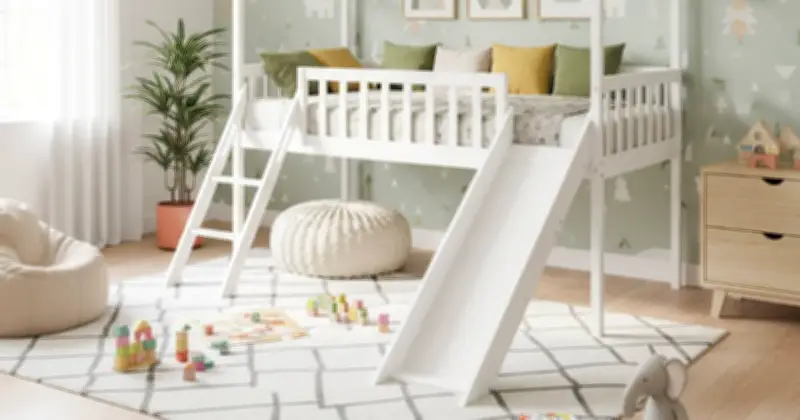
Designing a child's room is about more than just aesthetics; it can significantly impact their ability to focus and feel calm. According to psychology expert Mary Roni, the principles of environmental psychology can be applied to create a space that supports a child's mental well-being and concentration.
Color Choices Matter
Roni emphasizes that color plays a crucial role in influencing mood and cognitive function. Soft blues and greens are recommended for promoting calmness, while muted yellows can enhance focus. Bright reds and oranges, on the other hand, may overstimulate children and should be used sparingly.
Layout for Focus
The arrangement of furniture is key. Roni suggests positioning the desk away from distractions like windows or doors, and facing it towards a wall to minimize visual clutter. A clear, organized space helps reduce cognitive load, allowing the child to concentrate better.

Sensory Elements
Incorporating natural elements such as plants or wooden textures can create a grounding effect. Soft lighting, like warm lamps, reduces eye strain and promotes relaxation. Roni also advises limiting electronic devices in the room to prevent overstimulation.
Personalization Within Limits
Allowing children to choose some decor can foster a sense of ownership, but too many choices can be overwhelming. Roni recommends a balance: let them pick a few items, like a rug or artwork, while keeping the overall scheme simple.
By applying these psychological principles, parents can create a room that not only looks good but actively supports their child's development and daily activities.